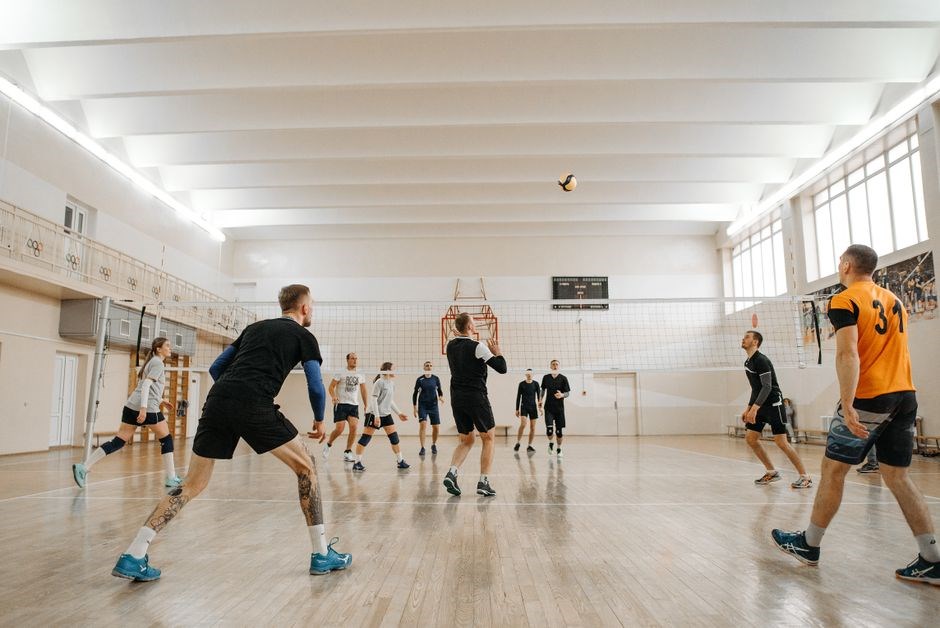
volleyball terminology pdf
Volleyball terminology PDFs compile essential terms, definitions, and rules for players, coaches, and enthusiasts․ These documents, often sourced from official federation sites and educational platforms, provide reference guides, printable sheets, and searchable databases to enhance learning and game analysis
ACE
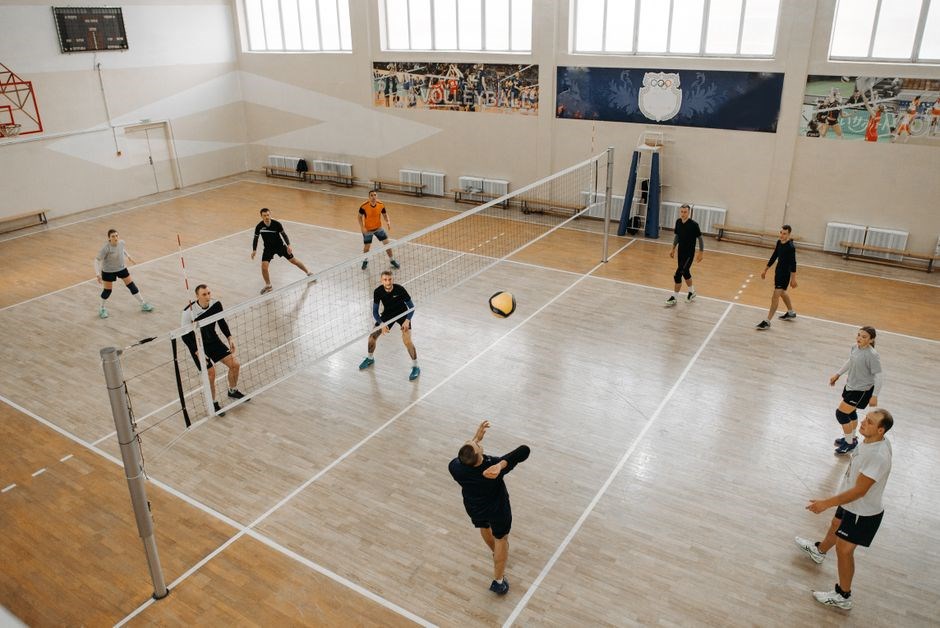
In volleyball, an ACE is a serve that lands untouched in the opponent’s court, immediately awarding a point․ The serve must cross the net, land within the opponent’s boundaries, and not be touched by the receiving team․ An ACE demonstrates exceptional power, precision, and placement, often catching the defense off‑guard․
Key elements of an ACE include velocity, spin, and angle․ A high‑speed serve can overwhelm blockers, while a well‑placed topspin or float serve exploits gaps in the opponent’s formation․ The server’s footwork, arm swing, and timing are crucial in generating the necessary force and accuracy․
Coaches emphasize ACEs as a strategic tool to shift momentum․ A well‑timed ACE can demoralize the receiving side, create a psychological advantage, and set the tone for the rally․ Players are trained to read the opponent’s positioning and adjust serve tactics accordingly․
Statistically, ACEs are tracked in match reports, reflecting a team’s serving efficiency․ A high ACE count often correlates with strong serving performance and can be a decisive factor in tight contests․
Players often practice ACEs by varying serve types—float, jump, and topspin—to exploit opponent weaknesses․ Coaches analyze serve patterns, using video playback to identify optimal contact points and spin angles․ Advanced statistics track ACE frequency per set, informing strategic adjustments and mental preparation for high‑pressure matches․ In high‑stakes tournaments, a single ACE can swing momentum, turning a tight set into a decisive advantage for the team․ Confidence!
ANTENNA
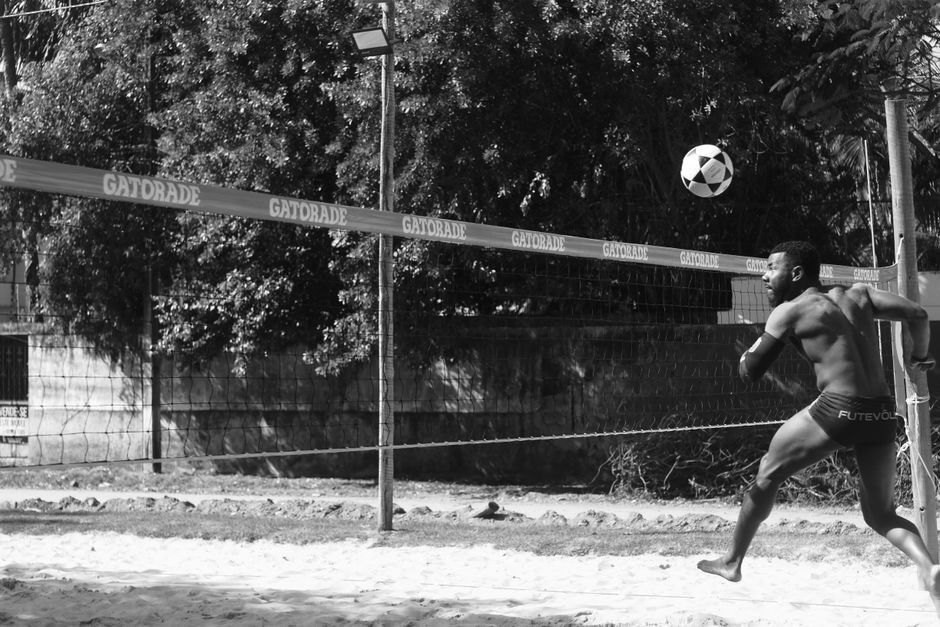
The antennae are the two vertical, typically white and red, poles that extend above the net’s sidelines, each standing 30 feet tall․ They are positioned 30 feet apart, flanking the net’s width, and serve as the primary boundary markers for the court’s sidelines․ When a ball lands beyond the line of an antenna, it is considered out of bounds, resulting in a point for the opposing team․ These poles are integral to the official regulation of the game, ensuring that all players and officials have a clear visual reference for determining legal play․ The antennas are attached directly to the net’s structure, often via metal brackets, and are designed to withstand wind and impact from high‑velocity serves and spikes․ In addition to their functional role, the antennas also contribute to the aesthetic symmetry of the volleyball court, providing a consistent visual cue for players, referees, and spectators alike․ The height of 30 feet is chosen to accommodate the maximum reach of players during spikes and blocks while remaining visible from all angles of the court․ By maintaining these specifications, governing bodies such as the FIVB and NCAA preserve the integrity of the sport and uphold the fairness of competition․ The antennas also play a critical role in broadcasting and photography, as they help define the court’s geometry for camera angles and graphic overlays․ Overall, the antennae are a subtle yet essential component of volleyball, blending function, regulation, and visual clarity into the game’s infrastructure and growth!!
APPROACH
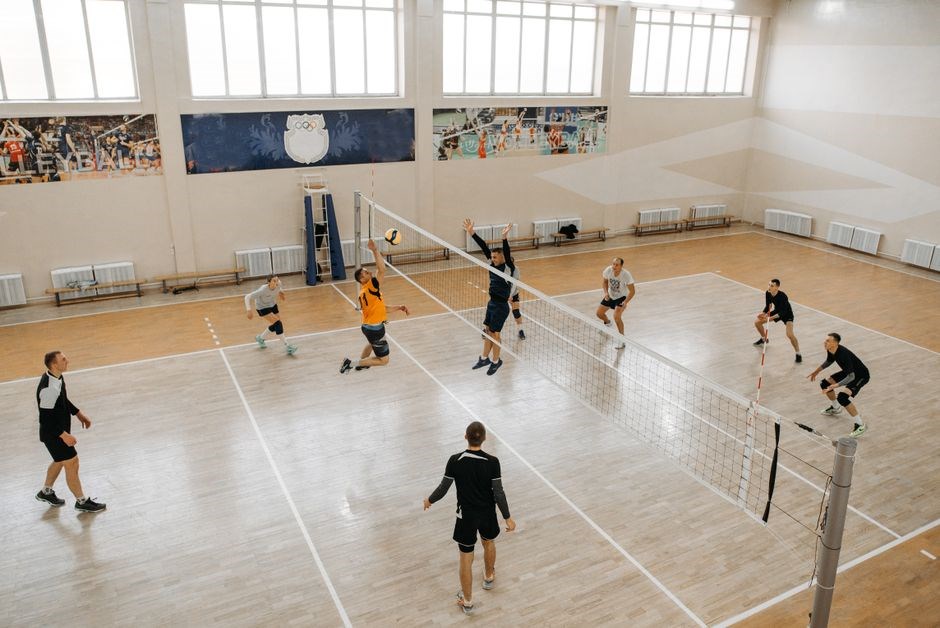
The approach is the sequence of steps a spiker takes before jumping to hit the ball․ It begins with the player positioning behind the attack line, ensuring they are within the backcourt․ The first step is the initial foot placement, followed by a quick, controlled stride that sets the rhythm for the jump․ The approach must be executed with precision to maximize power while maintaining balance․ A typical approach consists of a short, rapid step followed by a longer, forceful stride, culminating in a powerful jump․ Timing is crucial: the hitter must coordinate the approach with the setter’s delivery to achieve optimal contact․ Coaches emphasize proper footwork, encouraging players to keep their knees bent and hips engaged․ The approach also involves upper‑body cues: the arm swing, shoulder rotation, and hand positioning all contribute to a clean, effective attack․ A well‑timed approach allows the hitter to generate vertical lift and horizontal momentum, enabling them to reach the ball at the highest point possible․ In addition, the approach helps the player maintain a stable base, reducing the risk of stepping out of bounds or committing a foot fault․ Advanced players refine their approach by adjusting stride length, angle, and speed based on the ball’s trajectory and the opponent’s block․ By mastering the approach, a spiker can consistently deliver powerful, accurate attacks that challenge the defense and increase the team’s scoring opportunities․ Video analysis further refines technique, allowing coaches to spot subtle inefficiencies and provide targeted feedback․ Over time, a refined approach translates into higher attack angles, reduced error rates, and increased confidence on the court․ Players also learn to synchronize their approach with the setter’s hand signals, ensuring seamless transitions from set to spike․ The cumulative effect of precise footwork, timing, and coordination results in a powerful, efficient attack that maximizes scoring potential․ Such refined execution reduces the likelihood of attack errors and enhances overall team performance!!
ASSIST
In volleyball, an assist is the act of delivering a pass or set that enables an attacking teammate to execute a kill․ The assist statistic is recorded only in high‑school, collegiate, and national or Olympic level competitions, reflecting the importance of teamwork at advanced stages․ When a player successfully passes the ball to a hitter, the point earned is credited to the passer as an assist, provided the hitter scores a kill․ The assist reflects both skill and awareness, as it requires precise timing, accurate placement, and an understanding of the opponent’s blocking strategy․ Coaches often track assists to evaluate a player’s contribution to offensive flow, and to identify strengths in ball distribution․ An assist can come from a front‑row or back‑row player, and may involve a quick set, a back‑set, or a traditional set to the hitter’s preferred zone․ The assist is distinct from a serve‑receive pass, which is credited as a dig or a pass, not an assist․ In match statistics, assists are tallied alongside kills, errors, and blocks to provide a comprehensive view of a team’s offensive performance․ The assist metric also helps in scouting opponents, as it highlights which players are most frequently involved in successful attacks․ In addition, assists are a key component of a team’s overall strategy, encouraging players to maintain strong communication and spatial awareness on the court․ By focusing on assist opportunities, teams can create more effective attack options and increase the likelihood of scoring points through coordinated play․ The role of the setter is often intertwined with assists, as the setter’s ability to deliver a clean, well‑timed set directly influences the hitter’s chance to convert into a kill․ However, an assist is awarded to the player who initiates the attack, not necessarily the setter, unless the setter’s pass is the decisive factor․ Assist statistics also serve as a benchmark for evaluating a player’s offensive contribution beyond raw hitting numbers, offering insight into how well a player supports teammates and contributes to the overall rhythm of the offense․ In practice, drills that emphasize quick, accurate sets and efficient communication between passer and hitter can significantly boost assist counts, thereby enhancing a team’s competitive edge․ Consistently high assist numbers often correlate with strong team cohesion and effective execution of complex offensive schemes, underscoring the strategic value of this seemingly simple yet pivotal statistic․
ATTACK

In volleyball, an attack is the offensive action of hitting the ball with the intent of ending play in favor of the attacking team․ The attacker, often referred to as a hitter or spiker, approaches the net, jumps, and strikes the ball in a manner designed to force a point or create an advantageous situation․ The attack can be executed from the front row or back row, with each position having specific rules regarding approach and contact․ A successful attack results in a kill, which is recorded as a point for the team․ An attack may also be a strategic play, such as a cross‑court hit, a line shot, or a high‑tempo spike, each requiring precise timing, power, and placement․ The attack is a fundamental skill that combines physical strength, technical proficiency, and tactical awareness; Coaches emphasize proper footwork, arm swing mechanics, and body positioning to maximize the effectiveness of an attack․ In match statistics, attacks are tracked alongside assists, errors, and blocks to provide a comprehensive view of a player’s offensive contribution․ An attack error, for instance, occurs when the ball lands out of bounds, goes into the net, is blocked, or violates rules such as illegal contact or center‑line violations․ Understanding the nuances of attack execution—such as the difference between a power spike and a finesse touch—is essential for players aiming to improve their offensive impact․ The attack also interacts with defensive strategies; blockers anticipate the attack’s trajectory, while defenders prepare to respond to the ball’s speed and angle․ Mastery of the attack requires continuous practice, video analysis, and feedback from coaches, enabling players to refine their approach, timing, and decision‑making on the court․ Ultimately, the attack remains the primary vehicle for scoring points and shaping the momentum of a volleyball match, making it a cornerstone of both individual skill development and team strategy․
ATTACK ERROR
In volleyball, an attack error is an unsuccessful offensive attempt that results in a loss of rally for the attacking team․ It can occur for several reasons: the ball lands out of bounds, the ball goes into the net on the third hit, the ball is blocked by the opposition and results in a point or sideout, the attacker commits a center‑line violation, or the attacker makes an illegal contact such as a lift or double hit․ The definition of an attack error is critical for coaches and statisticians because it distinguishes between a failed attack and a defensive play․ When a ball is hit and the result is a point for the defending side, the rally is recorded as an attack error․ Attack errors are tracked in match statistics to evaluate a player’s offensive efficiency․ A high number of attack errors often indicates issues with timing, approach, or decision‑making under pressure․ Coaches use attack‑error data to adjust training drills, focusing on footwork, hand positioning, and reading the blocker’s stance․ In tournament play, a player’s attack‑error percentage is a key metric used to compare performance across teams and leagues․ Understanding the nuances of each type of attack error—whether it is a net fault, a line fault, or a contact violation—helps players refine their technique․ The goal is to reduce attack errors while maintaining aggressive play, thereby increasing the overall kill rate and contributing positively to the team’s scoring potential․ Continuous video review, statistical analysis, and targeted practice sessions are essential tools for minimizing attack errors and improving the precision of offensive actions on the court․
ATTACKER
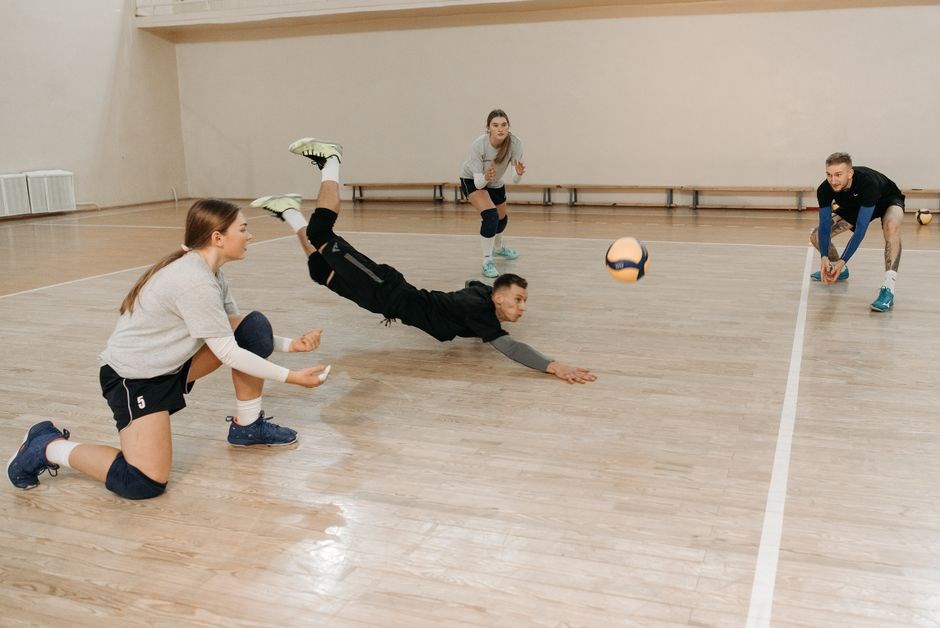
In volleyball terminology, an attacker—also known as a hitter or spiker—is the player who initiates the offensive play by striking the ball over the net with the intent to score a point․ Attackers typically operate in the front row, though back‑row attackers are also integral to a team’s strategy․ Their primary responsibilities include reading the opponent’s block, timing the approach, and delivering a powerful hit that exploits gaps in the defense․ The attacker’s skill set blends vertical jump, arm swing mechanics, and spatial awareness․ Coaches emphasize the importance of a consistent approach: a quick, balanced step sequence that culminates in a coordinated jump and arm swing․ Proper footwork ensures the attacker lands in the correct zone, avoiding line violations that would turn the rally into an attack error․ Attackers are evaluated on varying defensive formations—such as a two‑blocker or a three‑blocker setup—by selecting appropriate attack angles and adjusting their hit trajectory․ The role of the attacker is dynamic; during a rally, they may also serve as a secondary setter or provide defensive coverage by digging or blocking․ Statistical metrics for attackers include kill percentage, attack efficiency, and error rate, all of which help coaches refine training drills and game plans․ Ultimately, the attacker is the focal point of a team’s offensive engine, translating practice drills into decisive points on the court․ Their consistent training, combined with strategic play, ensures they remain a formidable force on the court․ every match!! Always!
ATTACK LINE
The attack line, commonly referred to as the 10‑foot line, is a crucial boundary in volleyball that delineates the front‑row and back‑row players․ Positioned 10 feet (3․048 meters) from the net on each side of the court, it serves as a marker for legal attack positions․ Players in the front row must remain behind this line when they jump to spike, ensuring they do not overstep and commit a line violation․ The line also influences defensive positioning; back‑row players are prohibited from attacking the ball above the net’s height while standing in front of the attack line․ Coaches use the attack line to train proper approach mechanics, encouraging hitters to time their jumps so they land behind the line․ Additionally, the attack line is integral to rule enforcement during matches: a front‑row attacker who lands on or beyond the line during a spike is penalized, resulting in a point for the opposing team․ Understanding the attack line’s placement and its impact on both offensive and defensive strategies is essential for players at all levels, from recreational leagues to elite competitions․ Mastery of this rule not only reduces errors but also enhances overall team coordination and court awareness, making it a foundational element of volleyball education and gameplay․ Coaching staff often incorporate attack line drills into warm‑ups, such as the ‘line‑jump’ drill where attackers practice jumping from just inside the line to just outside, reinforcing timing, footwork, and the legal boundaries that define a successful attack for players!!
BACKCOURT
The backcourt is the portion of the volleyball court that extends from the endline to the attack line (10‑foot line)․ It is the area where back‑row players perform defensive actions, such as digging, passing, and setting․ In official play, only the backcourt may be occupied by players who are not in the front row, and the backcourt is the zone where back‑row attacks are permitted under specific conditions․ When a back‑row player jumps from behind the attack line to attack the ball, the ball must land in the opponent’s court and the attacker must not cross the attack line during the jump․ Backcourt play is critical for maintaining ball control, especially after a serve or a hard hit from the opposition․ Coaches emphasize backcourt positioning, footwork, and communication to ensure that the team can transition quickly from defense to offense․ A well‑executed backcourt dig can set up a fast set or a powerful back‑row attack, turning a defensive play into an offensive opportunity․ In addition, the backcourt is where the libero, a specialized defensive player, operates; the libero is restricted from attacking above the net height and from serving in most competitions․ Understanding the boundaries, responsibilities, and tactical options within the backcourt is essential for players at all levels, as it directly influences the flow of the game, the effectiveness of rotations, and the overall team strategy․
Players often practice backcourt drills like the ‘back‑row attack drill’, focusing on timing, footwork, and reading the defense to improve quickly fast!!!!
BACK SET
A back set is a specialized setting technique where the setter delivers the ball behind their back, typically to a teammate positioned behind the setter’s line of sight․ This maneuver allows the setter to disguise the destination of the ball, keeping the defense guessing and creating a smoother transition from defense to attack․ The back set is often executed during a back‑row attack or when the setter is under pressure from a quick block․ Key steps: 1) balanced stance, 2) forearm push, 3) wrist rotation to direct behind the back, 4) timing release to match the hitter’s approach․ Proper hand placement, arm angle, and body rotation are essential for accuracy and speed․ Coaches emphasize practicing back sets in drills such as the “back‑set drill” to improve muscle memory․ Mastery of the back set enhances offensive versatility, making it harder for opponents to anticipate the attack direction and increasing the likelihood of a successful kill․
In high‑level play, the back set is often combined with a “back‑row attack” drill where the setter sets the ball to a back‑row hitter who jumps from behind the 10‑foot line․ The setter must read the block and adjust the set to a spot the hitter can reach․ Timing is critical; a delayed set can lead to a block, while a rushed set may result in a mis‑hit․ To refine this skill, players use video analysis to review angles, footwork, and release timing․ By integrating the back set into regular practice, teams can diversify their attack options and increase point‑scoring potential․ It boosts team synergy and․

BACK ROW ATTACK
A back‑row attack is a pivotal offensive maneuver in volleyball, defined by the FIVB and NCAA as an attack executed by a player who is positioned behind the attack line (the 10‑foot line) at the moment of contact․ The rule stipulates that the hitter must remain behind this line until the ball is struck; any forward step before contact results in a violation, awarding the point to the opposition․ This technique is frequently employed by middle blockers or back‑row hitters to catch the defense off‑balance, especially when the front row is heavily blocked․ The attack is usually set after a quick set or a back‑set, allowing the hitter to read the block and time the jump precisely․ Timing is critical: the hitter must launch the approach, jump, and strike the ball before the ball crosses the net, all while staying behind the line․ Coaches often incorporate footwork drills that emphasize a low, quick approach, a strong arm swing, and a controlled follow‑through, ensuring the hitter’s body remains behind the line until contact․ Training also focuses on reading blockers’ positions, adjusting the hit angle, and maintaining a high, fast trajectory to increase the likelihood of a kill․ In high‑level play, back‑row attacks can be decisive, especially during set‑point situations, as they add depth to a team’s offensive strategy and complicate the opponent’s blocking scheme․ Common mistakes include stepping forward during the approach, over‑extending the arm, or misreading the block, which can lead to attack errors or blocked hits․ Video analysis and statistical tracking of back‑row attack success rates help teams refine this skill, making it a valuable asset in both collegiate and international competitions․
To master the back‑row attack, players practice drills such as the “back‑row attack drill,” where the setter delivers a quick set to a back‑row hitter who must jump from behind the 10‑foot line and strike the ball before the net․ Coaches also use “block‑reading drills,” where the hitter watches the block formation and adjusts the hit angle accordingly․ Proper footwork, a quick first step, and a powerful arm swing are essential․ Players must also develop the ability to maintain a low center of gravity during the approach, ensuring they do not cross the line․ The back‑row attack is often paired with a “high‑ball” strategy, where the hitter aims for a high, fast ball that is difficult for blockers to reach․ By incorporating these techniques, teams can increase their attack diversity, making it harder for opponents to predict the attack direction and improving overall offensive effectiveness․
Statistically, teams that execute back‑row attacks effectively see a 15–20% increase in kill percentage during critical sets․ Coaches track these metrics to adjust rotations and set strategies, ensuring the back‑row hitter is utilized at optimal moments․ Practice

How to Use the PDF for Training
When a coach or player obtains a comprehensive volleyball terminology PDF, the document becomes a living textbook that can be integrated into daily practice and game preparation․ Begin by scanning the table of contents to identify key sections—serving, passing, setting, attacking, and defensive terminology․ Highlight or annotate terms that frequently appear in match commentary․ Use the PDF as a reference for creating flashcards; write the term on one side and the definition on the other, then test players during break periods․ Incorporate the terminology into video analysis: overlay the PDF’s definitions onto match footage, labeling each play with the correct term․ This visual association helps players internalize the language and improves communication on the court․ For advanced teams, the PDF can serve as a baseline for statistical tracking․ Log each occurrence of a term—such as “back‑row attack” or “attack error”—during games, then compare the data to the definitions to evaluate adherence to optimal play․ Finally, assign a “terminology quiz” weekly, using the PDF as the source material․ The quiz can be multiple choice or fill‑in, and it should cover recent matches to keep the content relevant․ Use the PDF to track player statistics and adjust training drills accordingly, ensuring each session targets skill gaps daily!!․ This approach boosts team cohesion! Improving individual skills!!

Common Sources for Volleyball Terminology PDFs
Finding reliable volleyball terminology PDFs is essential for accurate coaching and player development․ The most trusted repositories include the International Volleyball Federation (FIVB) website, which offers downloadable rulebooks and glossaries in PDF format․ National governing bodies such as USA Volleyball, Volleyball Canada, and the European Volleyball Confederation (CEV) also publish official terminology sheets for domestic leagues and national teams․ University athletic departments—especially those with Division I programs—frequently release season‑specific training guides that contain exhaustive lists of terms, definitions, and tactical diagrams․ High‑school coaching associations provide free PDF handbooks covering basic rules, player positions, and common mistakes․ Many of these resources are updated annually to reflect rule changes, ensuring that players and coaches remain compliant with current regulations․
Moreover, many collegiate conferences publish annual rule‑change briefs and terminology updates in PDF form, while international competitions such as the Olympics and World Championships provide downloadable match‑analysis reports that include technical terms․ Coaches can also subscribe to newsletters from the FIVB and national federations, which often contain PDF attachments of updated rulebooks․ Finally, community forums and fan sites occasionally offer user‑generated glossaries, though these should be cross‑checked against official documents for accuracy․
These PDFs also serve as reference tools for referees and tournament officials worldwide․