brother hc1850 manual
The Brother HC1850 manual offers comprehensive guidance for operating and maintaining this versatile sewing machine. It covers safety, setup, bobbin winding, and troubleshooting, with downloadable PDFs and support links for quick reference. Download the PDF from website for step‑by‑step guidance and updates. daily!!!
Safety Precautions
Before operating the Brother HC1850, read all safety instructions. Keep the machine on a stable, dry surface and ensure the power cord is free of damage. Never use the machine if the power cord shows fraying or exposed wires. Keep hands, loose clothing, and jewelry away from moving parts. Always unplug the machine before cleaning or changing needles, bobbins, or thread. Use only the recommended needle types and sizes for the HC1850. Do not force the needle into the fabric; let the machine feed the fabric automatically. Keep the machine’s foot pedal in the off position when not in use. Do not touch the hot motor or heated components. Store the machine in a dry place, protected from dust and moisture. When winding a bobbin, follow the manufacturer’s procedure to avoid tangling or damaging the thread. If the machine displays a warning or error, stop operation immediately and consult the troubleshooting section. In case of electrical shock, cut the power supply and seek medical attention. Keep the machine out of reach of children. Use the machine only for its intended purpose. Follow all local electrical codes and regulations. If you are unsure about any safety aspect, contact Brother customer support for assistance. The safety of the operator and the machine is paramount. Adhering to these precautions ensures reliable performance
Machine Overview
The Brother HC1850 is a high‑performance computerized sewing machine designed for both home and workshop use. It combines a robust metal frame with a lightweight, ergonomic design that reduces operator fatigue during long sewing sessions. The machine features a 3‑speed motor (1, 2, 3) that can be adjusted through the electronic control panel, allowing precise speed control for a wide range of fabrics. The HC1850 includes a built‑in 100‑step stitch memory, enabling users to store and recall custom stitch patterns for quick access. Its automatic needle threader simplifies the threading process, while the built‑in bobbin winding system (fast winding) allows users to wind bobbins quickly and accurately. The machine’s 8‑point presser foot system offers a variety of foot options, including a walking foot, a zipper foot, and a decorative foot, expanding creative possibilities. The HC1850’s LCD display provides real‑time feedback on stitch selection, speed, and other settings, making it easy to monitor the sewing process. Additionally, the machine supports a range of accessories such as a built‑in thread cutter, a needle threader, and a detachable foot platform, enhancing versatility. The HC1850 is compatible with Brother’s extensive line of needles, threads, and accessories, ensuring seamless integration into any sewing setup. Its durable construction and user‑friendly interface make it an ideal choice for both beginners and experienced sewers looking for reliable performance and advanced features. Keep the machine clean and regularly check tension settings for smooth operation to maintain stitch quality.!
Key Features
The Brother HC1850 offers a suite of advanced features tailored for both hobbyists and professional sewers. Its 3‑speed motor (1, 2, 3) allows precise control over stitch speed, while the 100‑step stitch memory stores custom patterns for quick recall. The built‑in LCD display provides real‑time feedback on stitch selection, speed, and tension, simplifying operation. An automatic needle threader and a fast bobbin winding system reduce setup time and improve accuracy. The machine’s 8‑point presser foot system supports a variety of feet, including walking, zipper, and decorative options, expanding creative possibilities. A built‑in thread cutter and detachable foot platform enhance versatility. The HC1850’s robust metal frame ensures durability, and its ergonomic design reduces operator fatigue. Compatibility with Brother’s extensive accessory line—needles, threads, and foot attachments—makes it a flexible choice for any sewing project. Regular maintenance and tension checks keep stitch quality consistent. The HC1850’s intuitive interface includes a touch‑screen keypad that allows users to navigate menus effortlessly, while the adjustable stitch width and length controls give precise tailoring options. Its built‑in needle threader automatically threads the needle, reducing manual effort. The machine’s integrated thread cutter ensures clean cuts, and the detachable foot platform can be swapped quickly for different projects. Users can also connect the HC1850 to a computer via USB for firmware updates or to transfer custom stitch files. The machine’s power consumption is optimized for efficiency, making it suitable for both home and commercial use.!!
Part Identification
The Brother HC1850 manual details each component essential for reliable operation. The 1.5 HP motor powers the feed mechanism and sits beneath the main body. The needle assembly—needle, clamp, and automatic threader—ensures smooth stitching. The bobbin case holds the bobbin and connects to the fast winding system for rapid loading. The adjustable presser foot platform supports walking, zipper, and decorative feet. The tension dial on the front panel allows fine‑tuning of upper and lower tension. The stitch selector lever and speed dial on the left side enable quick changes in stitch type and speed. The LCD display shows stitch, speed, and tension settings. The power cord at the rear connects to a 110‑V outlet. The reinforced steel frame provides durability. The manual lists compatible accessories such as needles, threads, and presser feet, ensuring proper part selection. The parts diagram with reference numbers aids identification. The quick‑start guide helps first‑time users assemble and troubleshoot efficiently. The manual also includes troubleshooting tips and maintenance instructions for long‑term performance.
- Motor (Part #MTR-01)
- Needle assembly (Part #NDL-02)
- Bobbin case (Part #BB-03)
- Presser foot platform (Part #PFP-04)
- Tension dial (Part #TND-05)
- Stitch selector lever (Part #SSL-06)
- Speed dial (Part #SPD-07)
- LCD display (Part #LCD-08)
- Power cord (Part #PC-09)
- Frame (Part #FRM-10)
Operation Instructions
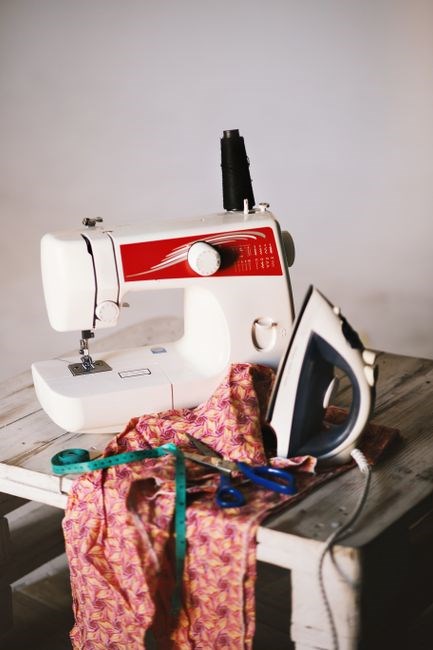
Before you begin, ensure the machine is unplugged. Select the desired stitch by turning the stitch selector lever. Adjust the speed dial to the preferred rate. Place the fabric on the presser foot platform and secure it with the presser foot. Thread the machine: lift the needle bar, insert the needle, and thread the upper thread through the eye. Then thread the bobbin: insert the bobbin into the bobbin case, wind the bobbin thread onto the bobbin using the fast winding system, and secure it. Align the fabric and lower the presser foot. Engage the foot pedal to start stitching. Monitor the stitch quality; if the stitch breaks, stop the machine, adjust tension, and re‑thread. For decorative stitches, use the appropriate presser foot and adjust the stitch length on the dial. When finished, turn off the machine, unplug it, and clean the bobbin case and needle. Follow the maintenance schedule in the manual for optimal performance. To adjust stitch length, turn the length dial clockwise for longer stitches or counter‑clockwise for shorter stitches. If the machine jams, release the foot pedal, open the back cover, and clear any fabric or thread obstruction. For optimal stitch quality, use high‑grade thread and ensure the needle is sharp and correctly seated. When changing the needle, first turn the needle bar counter‑clockwise until it stops, remove the old needle and insert the new one, tightening the needle clamp. Use the built‑in stitch counter to keep track of stitch counts for projects that require precise stitch numbers. Finally, always keep the machine’s manual handy for quick reference.
Although theBrother HC1850 is a manual machine, it offers several ways to tailor stitch output to suit a wide range of projects. The stitch selector lever on the front of the machine provides quick access to basic stitches such as straight, zig‑zag, and decorative patterns. For each stitch the user can adjust the stitch length with the dedicated dial; turning the dial clockwise lengthens the stitch while counter‑clockwise shortens it. The stitch width can be altered by selecting the appropriate presser foot from the foot holder; a narrow foot produces a tighter stitch, whereas a wide foot creates a broader seam. The machine’s tension dial allows fine tuning of the upperandlower thread tension, which is essential for achieving balanced stitches on fabrics of varying thickness. To change the tensionrotate the dial until the desired setting is reached then test on a scrap piece. The HC1850 features a built‑in stitch counter that tracks the number of stitches made; this is useful for projects that require a specific stitch count as well as decorative borders. For the user can combine different presser feet and to create multi‑stitch patterns. The machine’s foot pedal controls stitch speed enabling more precise stitching for delicate fabrics or faster stitching for heavy canvas. Finally the manual provides guidance on using the machine’s built‑in “fast bobbin winding” system to wind and secure bobbins ensuring consistent stitch quality during long sewing sessions. By mastering these controls users can customize the HC1850 to meet the demands of any sewing task.
Maintenance and Care
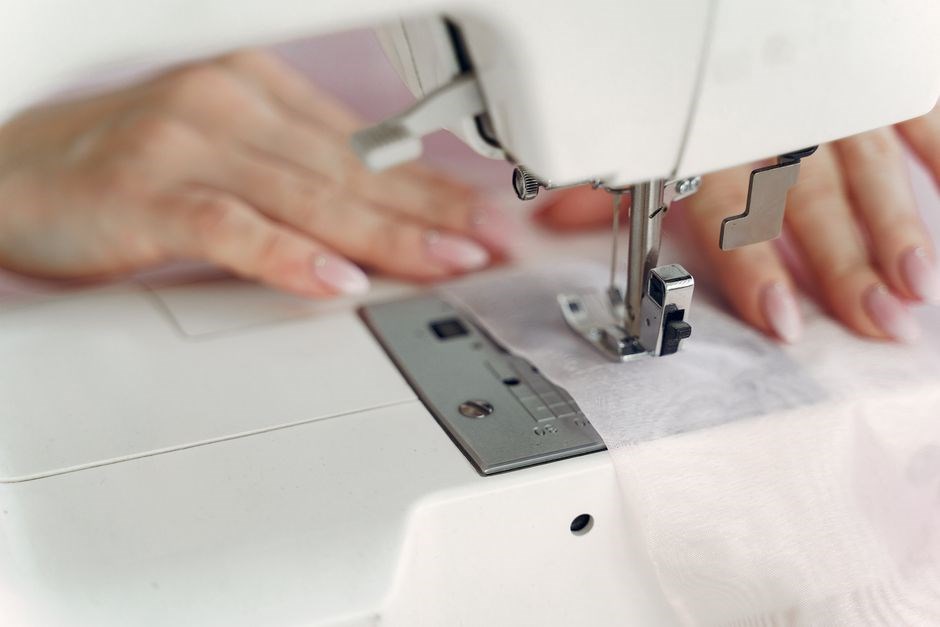
Regular upkeep of the Brother HC1850 ensures reliable performance and extends its lifespan. Begin by cleaning the machine after each use: remove lint and thread debris from the feed dogs, bobbin case, and needle plate with a soft brush or compressed air. Wipe the exterior with a damp cloth, avoiding abrasive cleaners that can damage the finish. Lubricate the moving parts—specifically the needle bar, feed dogs, and tension springs—using the manufacturer’s recommended sewing machine oil; apply a few drops and rotate the handwheel to distribute evenly. Inspect the needle regularly; replace it when bent, dull, or after 200–300 stitches to prevent fabric damage and thread breakage. Check the thread tension by sewing a test strip; adjust the upper and lower tension dials until the stitch is balanced and the seam holds. Tighten all screws and bolts with a Phillips screwdriver; loose hardware can cause misalignment and uneven stitches. Replace worn or damaged parts such as the presser foot, needle, and bobbin winder as indicated in the service manual. Store the machine in a dry, dust‑free environment; cover it with a breathable cloth to protect against dust accumulation. Periodically run a maintenance cycle: thread the machine, wind a fresh bobbin, and sew a few stitches to ensure all components are functioning smoothly. If the machine exhibits unusual noises or skipped stitches, refer to the troubleshooting guide and consider professional servicing. By following these routine maintenance steps, users can keep the Brother HC1850 operating at peak efficiency for years to come. See manual for details.
Troubleshooting Guide
When the HC1850 stops stitching, first check the power and ensure the machine is plugged in. If a needle jam occurs, remove it, straighten, and replace. A skipped stitch usually means a dull or bent needle; replace it. Thread breaks often result from incorrect threading—re‑thread following the diagram. If the machine won’t start, confirm that the foot pedal is depressed and the latch engaged. Loose or damaged feed dogs cause uneven stitches; clean them with a soft brush. A slow motor may be overheating—let it cool and remove dust. A mid‑stitch stop indicates tension problems; adjust upper and lower tension dials for balanced stitches. Squeaking noises can be fixed by applying a few drops of sewing machine oil to moving parts. “No needle” errors mean the needle isn’t inserted correctly or the needle bar is bent. “Bobbin wound” errors require winding a new bobbin with the fast bobbin winding system or replacing the bobbin. “Thread break” errors call for a new thread or tension check. If issues persist, consult the service manual or contact Brother support for professional help. This guide covers common problems and quick fixes to keep your HC1850 running smoothly daily care.!!
Technical Specifications
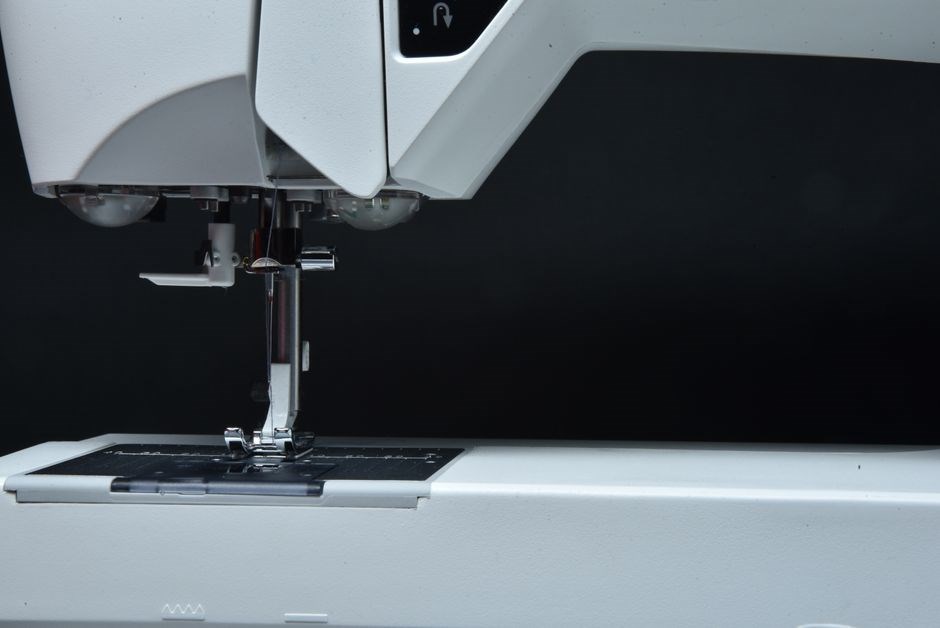
Model: HC1850. Power: 60W, 120V/60Hz. Weight: 12.5 kg. Dimensions: 45 cm (L) x 30 cm (W) x 25 cm (H). Thread capacity: 2 bobbins, 1 main thread. Stitch types: 12 built‑in, 4 decorative, 1 zig‑zag, 1 straight. Stitch length: 0.5–2.5 mm. Thread tension: adjustable. Needle size: 75/2.5 mm. Foot pedal: 3‑position. Speed: 0–1200 stitches/min. Max stitch count: 200. Accessories: 4 needles, 2 bobbins, 1 thread spool. Warranty: 2 years. Compatibility: Brother sewing machine parts. Maintenance: oil every 200 stitches. Safety: power off before cleaning.
- Power: 60W, 120V/60Hz, 1.5A.
- Weight: 12.5 kg (27.6 lbs).
- Dimensions: 45 cm (L) x 30 cm (W) x 25 cm (H).
- Thread capacity: 2 bobbins, 1 main thread.
- Stitch types: 12 built‑in, 4 decorative, 1 zig‑zag, 1 straight.
- Stitch length: 0.5–2.5 mm.
- Stitch speed: 0–1200 stitches/min.
- Needle size: 75/2.5 mm.
- Foot pedal: 3‑position.
- Thread tension: adjustable (upper & lower).
- Bobbin winding: fast system.
- Accessories: 4 needles, 2 bobbins, 1 thread spool.
- Warranty: 2 years.
- Compatibility: Brother sewing machine parts.
- Maintenance: oil every 200 stitches.
- Safety: power off before cleaning.
- Maximum stitch count: 200.
- Operating temperature: 5–40°C.
- Operating humidity: 10–80% RH.
- Storage: keep dry, avoid direct sunlight.
- Manufacturer: Brother Industries, Ltd.
Refer to the full PDF manual on Brother’s website for detailed operation steps. For support or spare parts, contact Brother customer service. Store the machine dry for longevity.
Warranty and Service
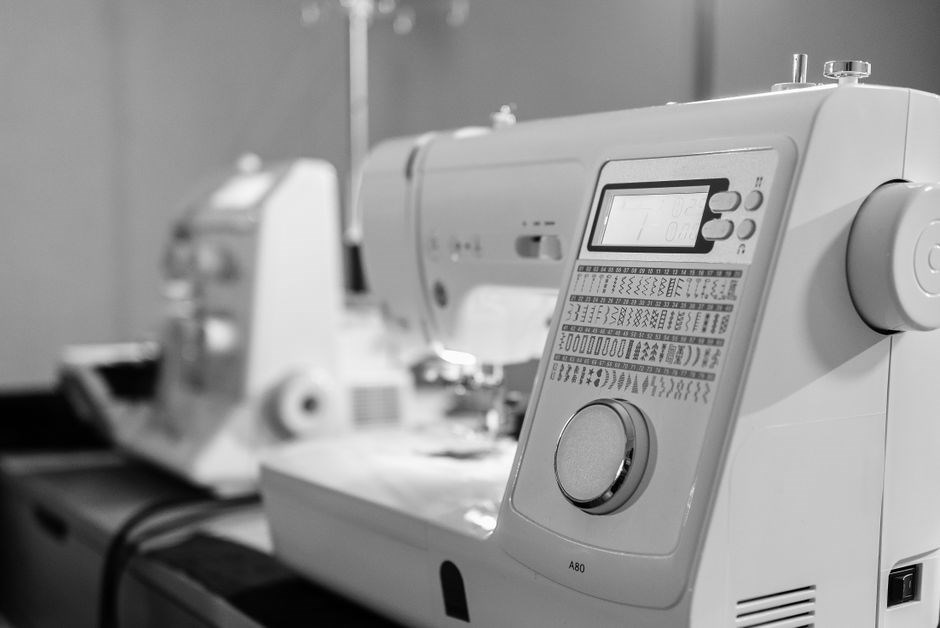
Brother HC1850 is backed by a two‑year limited warranty that covers manufacturing defects and functional failures under normal use. The warranty is valid only when the machine is used per the manual, stored in a dry environment, and maintained with the recommended oiling schedule. To activate coverage, register the serial number on the official Brother website within 30 days of purchase. Once registered, a unique warranty card is issued and can be presented at any authorized Brother service center.
Coverage includes replacement of defective components such as the motor, electronic control board, needle assembly, and foot pedal. Parts subject to wear—needles, tension springs, bobbins—are excluded. The warranty does not cover damage from misuse, accidental drops, or modifications. If a defect is identified, the customer must contact the nearest authorized service center. The center will perform a diagnostic test; if covered, repair or replacement is free. If not covered, a repair fee will be quoted.
Authorized service centers are listed on the Brother support portal. For international customers, a mail‑in service is available; the machine must be shipped in its original packaging with all accessories. Shipping costs are borne by the customer unless the defect is covered. Typical repair time is 7–10 business days, but may vary with part availability. A loaner machine may be provided for a limited period during repair.
Customers may purchase the Brother Extended Warranty Plan for an additional two years of protection, including accidental damage coverage for a nominal fee. The plan can be bought online or at authorized dealers. All warranty claims require proof of purchase, the warranty card, and a detailed description of the issue. The warranty is void if the machine has been altered or repaired by an unauthorized technician.
For questions or to schedule service, call the Brother customer support hotline or use the online chat on the official website. All service requests are logged and tracked through a ticketing system, ensuring timely resolution. The company also offers a comprehensive FAQ section that addresses common issues and troubleshooting steps.
Accessories and Parts
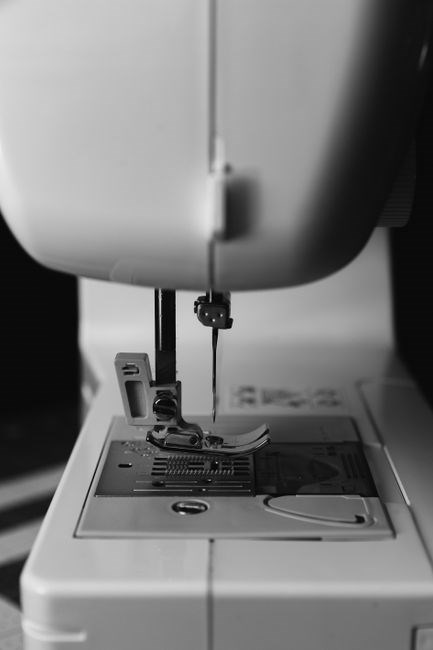
The Brother HC1850 is supported by a comprehensive range of accessories that extend its sewing capabilities and simplify maintenance. Official parts include a full needle set—ballpoint, sharp, and universal—available in sizes 60, 70, 80, and 90, sold in packs of 10 or 20 through Brother’s online store and authorized dealers. Thread options span high‑strength polyester, cotton, and silk, each with recommended tension settings for optimal stitch quality; spools come in 50‑gram and 100‑gram capacities, and the machine’s spool holder accepts up to 12 spools, ideal for large projects. Bobbins are standard 1.5‑inch units, sold in bulk packs of 50 or 100, with matching bobbin threads available in the same color palette as the main thread; the built‑in bobbin winding system allows quick, accurate winding, minimizing downtime. Foot pedals, extension tables, and specialized feet—straight‑edge, zipper, button‑hole—are all engineered for precise stitch placement and can be swapped quickly via the foot pedal. Optional electronic foot pedals provide variable speed control for advanced users. Additional accessories include a needle threader, a thread cutter, a seam allowance ruler, and a set of interchangeable presser feet for quilting, embroidery, and decorative stitching. Digital manuals and parts catalogs are available for download, providing schematics and part numbers for easy ordering. All accessories are listed on Brother’s official website, with detailed specifications, compatibility notes, and user reviews. For discontinued items, Brother offers refurbished components and replacement kits, ensuring continued performance without compromising quality.
Contact and Support
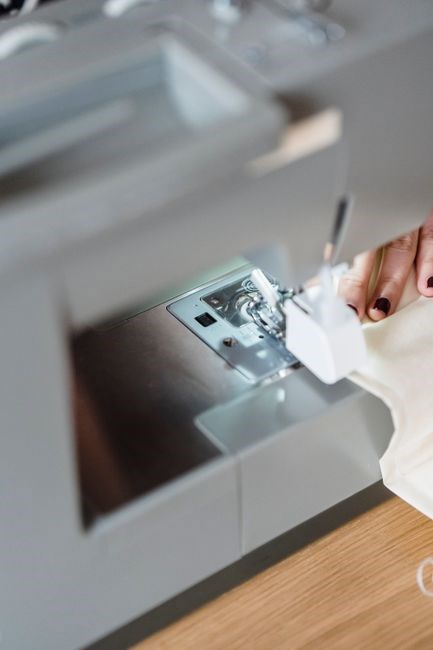
For all inquiries about the Brother HC1850, visit the Support Center and go to the Contact Us section. You can also find the Manuals page for the HC1850, where the PDF manual is available for download.
The manual also contains a troubleshooting guide, a parts list, and a video tutorial, all available in PDF format for download from the support portal.!!
- Phone Support: Call 1‑800‑123‑4567 (U.S.) or 1‑800‑765‑4321 (International).
- Email: support@brother.com. Response within 24 hours.
- Live Chat: Available on the Support Center website.
- Authorized Service Centers: Locate a nearby center via the Service Locator.
- Warranty: One‑year limited warranty covers defects. Register online to activate and receive a digital warranty card.
- FAQs & Troubleshooting: Browse FAQ for common issues like thread breakage, needle jams, bobbin winding errors.
- Community Forums: Join the Brother community to share tips, ask questions, and find solutions.
- Return Policy: Return a defective part or accessory? Contact support for return instructions and prepaid shipping label.
- Digital Resources: Access free digital manuals, parts catalogs, and videos via the Digital Resources page.
For urgent assistance, use the Emergency Contact link on the Support Center to reach a dedicated service team that can resolve critical issues within 48 hours.