
the lost book of enki pdf
The Lost Book of Enki: A Comprehensive Overview
The “Lost Book of Enki” PDF is readily available through the Internet Archive‚ offering free access to Zecharia Sitchin’s work.
It details Enki’s purported memoirs and prophecies‚ sparking debate and continued interest.
Origins and Authorship
The concept of “The Lost Book of Enki” originates with Zecharia Sitchin‚ who posited its existence as a primary source for understanding Sumerian mythology. However‚ crucially‚ no physical ancient text corresponding to this “book” has ever been discovered. Sitchin didn’t claim to have found a complete manuscript‚ but rather‚ reconstructed its contents through his interpretations of various Sumerian and Akkadian texts‚ including fragments and myths like the Enuma Elish.
He believed this lost book contained the direct memoirs and prophecies of the Anunnaki deity Enki. The book‚ as presented by Sitchin‚ is a synthesis of his readings‚ not a direct translation of a single‚ extant artifact. The PDF versions circulating online are therefore based on Sitchin’s 1990 publication‚ “The Lost Book of Enki: Memoirs and Prophecies of an Extraterrestrial God‚” representing his reconstruction‚ not a recovered ancient document. Access to the PDF‚ as noted on the Internet Archive‚ has faced occasional challenges regarding publisher permissions.
Zecharia Sitchin and His Work
Zecharia Sitchin (1920-2010) was an Azerbaijani-born American author known for his controversial interpretations of ancient Sumerian texts. He dedicated his life to researching ancient civilizations‚ focusing on the possibility of extraterrestrial influence on human history. Sitchin’s work‚ including “The Lost Book of Enki‚” centers around the Anunnaki – beings he believed were astronauts from the planet Nibiru.
His methodology involved translating Sumerian cuneiform tablets‚ though his translations are widely disputed by mainstream scholars. “The Lost Book of Enki” PDF represents Sitchin’s attempt to present a cohesive narrative‚ reconstructing what he believed were Enki’s personal memoirs and prophecies. He argued that these texts revealed the Anunnaki’s arrival on Earth‚ their genetic engineering of humanity‚ and their role in shaping ancient civilizations. Sitchin’s work has gained a significant following in alternative history circles‚ despite facing substantial academic criticism regarding his interpretations and lack of supporting evidence.
The Claim of a Lost Book
The central premise of “The Lost Book of Enki” is that a complete‚ ancient Sumerian text once existed‚ detailing the history of the Anunnaki and their interactions with humanity. However‚ no physical evidence of this original “lost book” has ever been discovered. Zecharia Sitchin asserted that the book was fragmented and scattered across numerous tablets and texts‚ requiring extensive reconstruction.
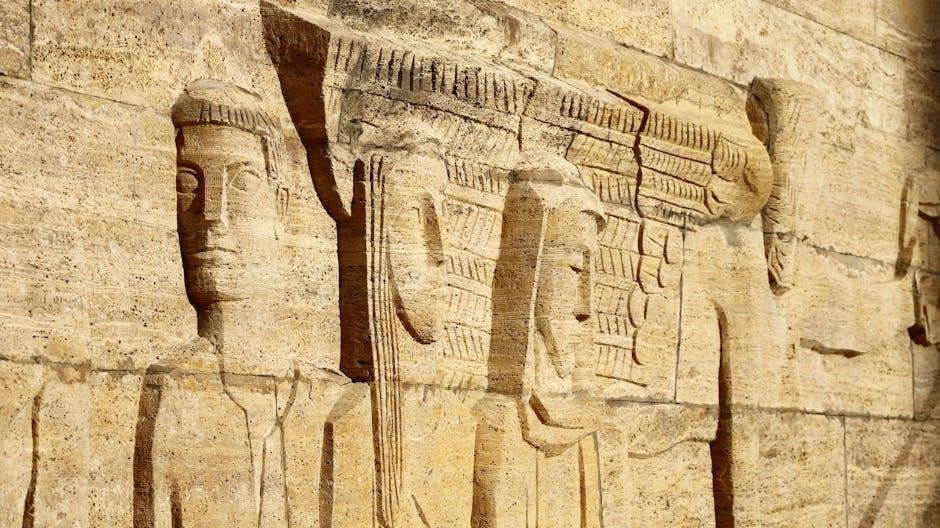
Sitchin claimed to have pieced together these fragments‚ creating a narrative presented as Enki’s personal memoirs. The “Lost Book of Enki” PDF‚ therefore‚ isn’t a direct translation of a single‚ recovered artifact‚ but rather Sitchin’s interpretation and synthesis of various Sumerian myths and legends. This distinction is crucial‚ as it explains the skepticism surrounding the book’s authenticity. Critics argue that Sitchin’s work is more imaginative reconstruction than faithful translation‚ lacking the rigorous support of archaeological or textual evidence.
Content and Narrative
The “Lost Book of Enki” PDF presents a narrative framed as Enki’s memoirs‚ detailing Anunnaki history‚ creation of humanity‚ and prophecies—a compelling‚ albeit controversial‚ account.
Enki as a Narrator
The “Lost Book of Enki” PDF uniquely positions Enki‚ a key figure in Sumerian mythology‚ as the primary narrator. Zecharia Sitchin reconstructs the narrative as Enki’s personal memoirs and prophecies‚ offering a first-person perspective on events like the arrival of the Anunnaki and the creation of humankind.

This narrative choice is central to the book’s appeal‚ presenting complex cosmological events through a seemingly intimate and authoritative voice. Sitchin argues he “re-created tales” as Enki would have told them‚ based on his interpretations of Sumerian texts. The PDF allows readers to directly engage with this perspective‚ experiencing the story as a personal recounting rather than a detached historical account.
However‚ it’s crucial to remember this is a reconstruction‚ and the authenticity of Enki’s voice is a point of significant scholarly debate‚ as the original “lost book” lacks physical evidence.
Memoirs and Prophecies
The “Lost Book of Enki” PDF presents a compelling blend of purported autobiographical accounts and future predictions attributed to the Sumerian deity. Sitchin frames the work as Enki’s personal memoirs‚ detailing his experiences and observations of early Earth and the Anunnaki’s interactions with it.
Alongside these “memoirs” are prophecies‚ offering insights into future events as perceived by Enki. The book explores themes of mounting tensions and rivalries amongst the Anunnaki‚ alongside revelations of sophisticated scientific knowledge. The PDF format allows readers to explore these interwoven narratives‚ examining the claimed historical recollections alongside the predicted future outcomes.
The combination of personal history and foresight is a key element of the book’s enduring appeal‚ though the veracity of both remains a subject of considerable controversy and scholarly scrutiny.

The Anunnaki and Their Arrival
The “Lost Book of Enki” PDF details the arrival of the Anunnaki on Earth‚ portraying them not as gods in the traditional sense‚ but as advanced extraterrestrial beings. According to Sitchin’s interpretation‚ as presented in the PDF‚ these “astronauts” came to Earth seeking resources‚ specifically gold‚ to alleviate problems on their home planet‚ Nibiru.
The text within the PDF describes a complex societal structure amongst the Anunnaki‚ with Enki positioned as a key leader. Their arrival isn’t depicted as a benevolent act‚ but rather a mission driven by necessity‚ leading to interactions – and eventual genetic manipulation – with early hominids.
The PDF elaborates on the Anunnaki’s technological prowess and their impact on the development of early civilization‚ framing them as instrumental in shaping human history‚ a claim that remains highly debated within academic circles.
Creation of Humanity
The “Lost Book of Enki” PDF presents a controversial account of human creation‚ diverging significantly from traditional religious narratives. Sitchin‚ through Enki’s purported memoirs‚ details how humanity wasn’t divinely created‚ but genetically engineered by the Anunnaki. This was not an act of benevolence‚ but a pragmatic solution to a labor shortage – the Anunnaki needed workers to mine gold.
The PDF describes the mixing of Anunnaki DNA with that of existing hominids‚ resulting in the creation of the first humans. This process is depicted as a scientific endeavor‚ utilizing advanced biotechnology. The text emphasizes that humans were initially created as a slave race‚ designed to serve the Anunnaki’s needs.
The PDF further suggests that this genetic intervention explains certain aspects of human biology and inherent tendencies‚ offering a unique‚ albeit disputed‚ perspective on our origins.
The Deluge and Its Aftermath

The “Lost Book of Enki” PDF offers a detailed‚ yet unconventional‚ retelling of the Great Flood narrative‚ aligning it with Sumerian mythology. According to Enki’s memoirs‚ the deluge wasn’t a divine punishment for humanity’s wickedness‚ but a consequence of planetary changes and the Anunnaki’s attempts to manage Earth’s climate after a pole shift.
The PDF portrays Enki as attempting to warn humanity through Ziusudra (the Sumerian Noah)‚ providing instructions to build an ark and preserve life. However‚ the narrative emphasizes a degree of Anunnaki internal conflict regarding the fate of humanity. The flood is depicted as a catastrophic event‚ deliberately initiated to reset the planet;
Following the deluge‚ the PDF details the re-establishment of Anunnaki civilization and the subsequent re-population of Earth‚ with humanity once again serving as a workforce. It highlights the ongoing influence of the Anunnaki in shaping human history post-flood.
Sumerian Mythology and Connections
The “Lost Book of Enki” PDF draws heavily from Sumerian texts like the Enuma Elish‚ but Sitchin’s interpretations are considered highly imaginative by many scholars.
Relationship to the Enuma Elish
The “Lost Book of Enki” PDF‚ while presenting itself as a separate text‚ fundamentally relies on and reinterprets established Sumerian mythology‚ most notably the Enuma Elish. Sitchin utilizes the Enuma Elish – the Babylonian creation epic – as a foundational source‚ but diverges significantly in his narrative construction. He doesn’t simply translate; he extrapolates‚ filling perceived gaps with his own interpretations of the Anunnaki’s history and motivations.
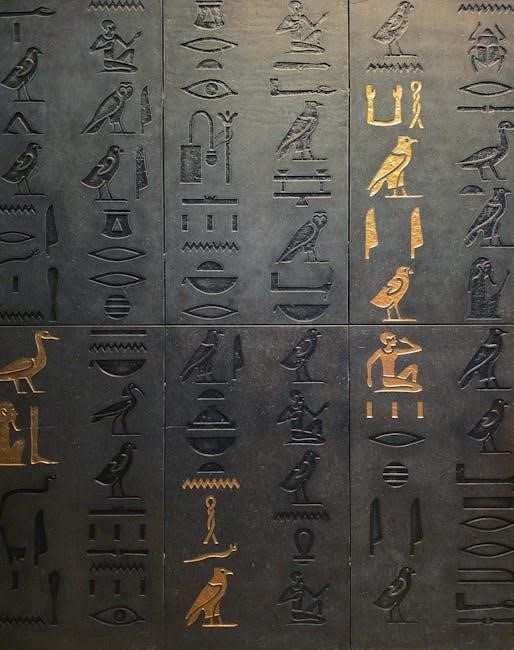
However‚ it’s crucial to note that Sitchin’s readings of the Enuma Elish are widely disputed within the academic community. Scholars often criticize his translations as being overly literal and driven by a pre-existing agenda to support his theories about extraterrestrial intervention. While acknowledging the Enuma Elish’s importance‚ Sitchin posits that it represents a distorted or incomplete account‚ with the “Lost Book of Enki” offering a more accurate and comprehensive version of events. This claim‚ however‚ remains unsubstantiated due to the lack of original source material for the purported lost book.
Comparison with Other Sumerian Texts
The “Lost Book of Enki” PDF distinguishes itself from readily available Sumerian texts like creation myths‚ hymns to the gods‚ and king lists by presenting a continuous narrative purportedly authored by Enki himself. Unlike fragmented tablets requiring scholarly reconstruction‚ Sitchin’s work offers a cohesive‚ albeit controversial‚ storyline. However‚ this narrative heavily interprets existing texts rather than presenting a newly discovered one.
While Sitchin references texts like the Atrahasis – detailing a great flood – and various Sumerian king lists‚ his interpretations are often at odds with mainstream scholarship. He ascribes advanced technological capabilities and extraterrestrial origins to the Anunnaki‚ a reading not generally supported by conventional understandings of these texts. The PDF’s content doesn’t introduce previously unknown Sumerian stories‚ but rather re-frames familiar narratives through Sitchin’s unique lens‚ leading to significant disagreements among researchers.
Sitchin’s Interpretations of Sumerian Mythology
The “Lost Book of Enki” PDF showcases Zecharia Sitchin’s radical reinterpretations of Sumerian mythology‚ positing the Anunnaki as extraterrestrial beings who genetically engineered humanity. He translates Sumerian cosmology not as symbolic or religious‚ but as literal historical accounts of events involving advanced technology and interstellar travel. This contrasts sharply with traditional scholarly interpretations.
Sitchin’s work‚ as presented in the PDF‚ views the Sumerian pantheon as a complex family dynamic amongst these “gods” from the planet Nibiru‚ with Enki acting as a benevolent figure. He interprets Sumerian creation stories as detailing the need for a worker race – humanity – to mine gold for the Anunnaki. These interpretations‚ while captivating to many‚ are considered highly imaginative and lack corroborating evidence by most academics‚ who see his translations as selective and biased towards his pre-existing theories.
Criticism and Controversy
The “Lost Book of Enki” PDF faces criticism due to a lack of physical evidence supporting its claims and scholarly disagreement with Sitchin’s translations.
Lack of Physical Evidence
The core controversy surrounding “The Lost Book of Enki” PDF stems from the complete absence of corroborating physical evidence. Unlike texts like the Enuma Elish‚ for which actual Sumerian tablets exist – even if interpretations differ – there are no known original tablets containing the purported memoirs of Enki.
As noted in discussions on platforms like Reddit’s r/AlternativeHistory‚ the book isn’t based on translation of discovered cuneiform‚ but rather a reconstruction by Zecharia Sitchin. This reliance on reconstruction‚ rather than direct translation‚ is a major point of contention. Critics argue that Sitchin essentially created the narrative‚ presenting it as recovered text.
The availability of the PDF doesn’t change this fundamental issue; it simply disseminates a work built on speculative interpretation‚ not concrete archaeological finds. The absence of source material fuels skepticism and positions the book firmly within the realm of pseudoscientific theories rather than established historical or archaeological scholarship.
Scholarly Disagreement with Sitchin’s Translations
Even with the widespread availability of “The Lost Book of Enki” PDF‚ academic consensus strongly disputes Zecharia Sitchin’s interpretations of Sumerian mythology. While Sitchin bases his work on existing texts like the Enuma Elish‚ his translations are considered highly imaginative and deviate significantly from mainstream scholarship.
Experts criticize Sitchin for selectively interpreting Sumerian words and concepts to fit his pre-determined narrative of extraterrestrial intervention. The Reddit discussion on r/AlternativeHistory highlights this‚ noting that while other texts do exist‚ Sitchin’s readings are often contested. He’s accused of imposing modern concepts onto ancient texts‚ leading to inaccurate and unsupported conclusions.
The PDF format doesn’t alter the validity of these criticisms. It merely provides easier access to a controversial interpretation. Mainstream Assyriologists and Sumerologists largely reject Sitchin’s claims‚ emphasizing that his work lacks rigorous linguistic and archaeological support‚ and relies heavily on speculation.
Alternative Interpretations of Sumerian Texts
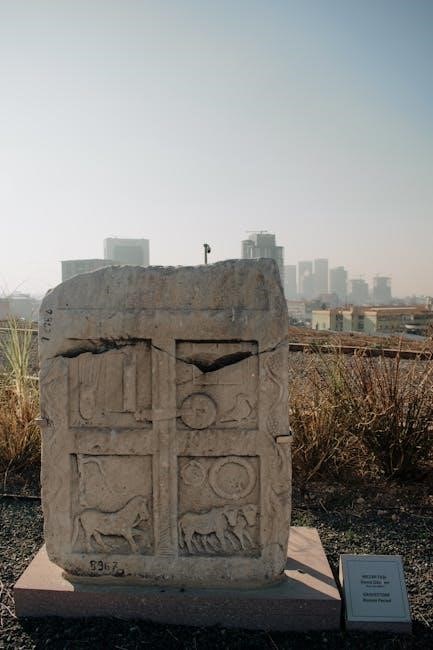
Despite the accessibility of “The Lost Book of Enki” PDF‚ numerous alternative interpretations of Sumerian texts exist‚ grounded in established academic disciplines. Scholars propose that the narratives are rich in symbolic language‚ reflecting ancient Mesopotamian cosmology‚ religious beliefs‚ and societal structures – without requiring extraterrestrial involvement.
The Enuma Elish‚ for example‚ is often understood as a creation myth explaining the origins of the universe and the rise of Marduk as the chief god. These interpretations focus on the internal logic of the myths‚ analyzing their literary devices and cultural context. They emphasize the human desire to understand the world and their place within it.
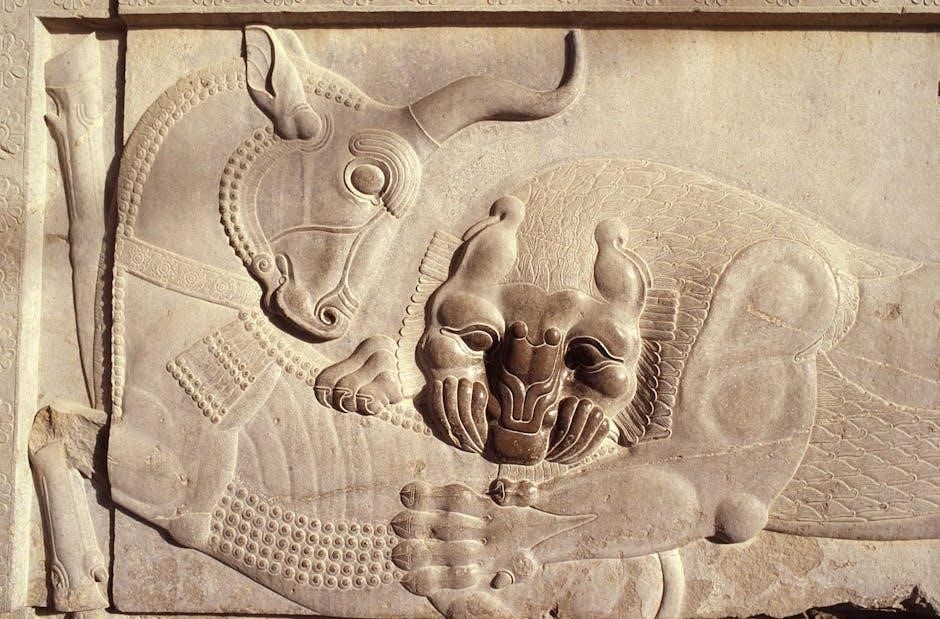
Rather than literal accounts of alien encounters‚ these readings view the “gods” as representations of natural forces or powerful human rulers. The PDF of Sitchin’s work presents a single‚ contested perspective‚ while a vast body of scholarly research offers diverse and nuanced understandings of Sumerian mythology.

The PDF Version and Accessibility
“The Lost Book of Enki” PDF is freely available on the Internet Archive‚ allowing broad access to Sitchin’s interpretations of Sumerian texts and narratives.
Availability of “The Lost Book of Enki” PDF
The digital version of “The Lost Book of Enki”‚ in PDF format‚ is remarkably accessible thanks to platforms like the Internet Archive. Users can freely download‚ borrow‚ and stream the book‚ facilitating widespread engagement with Zecharia Sitchin’s controversial theories.
The Internet Archive’s entry details advanced embedding options and metadata searching‚ enhancing the user experience. However‚ it also notes a call to action – a request to publishers to restore access to potentially 500‚000 books‚ hinting at possible past access limitations or copyright concerns.
This accessibility has fueled ongoing discussions and debates surrounding Sitchin’s work‚ allowing individuals to independently explore his interpretations of Sumerian mythology and the alleged memoirs of Enki. The PDF format ensures the book remains available to a global audience‚ despite potential challenges related to copyright and distribution.
Internet Archive and Digital Access
The Internet Archive serves as a crucial hub for accessing “The Lost Book of Enki” in PDF format‚ offering both download and streaming options. Its platform provides advanced search capabilities‚ including metadata and text content searches‚ aiding researchers and enthusiasts alike. The archive details embedding options‚ allowing for wider dissemination of the material.
Notably‚ the Internet Archive’s record for the book includes unique identifiers like OCLC and LCP (Linked Content Preservation) URLs‚ demonstrating its commitment to digital preservation. The availability on this non-profit digital library ensures the book transcends physical limitations‚ reaching a global audience interested in Sitchin’s interpretations.
Furthermore‚ the archive’s inclusion of the book highlights the growing trend of digitizing historical and controversial texts‚ fostering open access to information and encouraging independent study. This digital access is pivotal in sustaining interest and debate surrounding “The Lost Book of Enki.”
Copyright and Distribution Issues
The digital distribution of “The Lost Book of Enki” PDF‚ while widely available through platforms like the Internet Archive‚ raises complex copyright considerations. Originally published by Bear & Co.‚ the book’s copyright status impacts its legal online availability. The Internet Archive’s provision of the PDF relies on fair use principles and potential public domain status‚ though this remains a nuanced area.
Concerns regarding unauthorized distribution and potential copyright infringement are prevalent. While the Internet Archive aims to preserve and provide access‚ it also faces ongoing requests to address copyright claims. The availability of the PDF encourages widespread sharing‚ potentially conflicting with the publisher’s rights.
Furthermore‚ the call to “Ask the publishers to restore access to 500‚000 books” suggests broader issues surrounding digital rights and access to knowledge‚ impacting not only Sitchin’s work but numerous other publications.
Impact and Legacy
The “Lost Book of Enki” PDF fueled alternative history discussions‚ influencing popular culture and sparking ongoing debate about Sitchin’s interpretations of Sumerian texts and mythology.
Influence on Alternative History
The “Lost Book of Enki” PDF has profoundly impacted the realm of alternative history‚ becoming a cornerstone text for those exploring non-traditional interpretations of human origins. Sitchin’s work‚ presented within the book’s narrative‚ proposes an extraterrestrial influence on ancient civilizations‚ specifically the Sumerians.
This concept resonated deeply with researchers and enthusiasts seeking explanations beyond conventional historical and archaeological accounts. The book’s claims regarding the Anunnaki‚ their advanced technology‚ and their role in humanity’s creation have spurred countless theories and investigations.
Online forums‚ like those on Reddit (r/AlternativeHistory)‚ demonstrate a continued fascination with the book‚ even while acknowledging the lack of concrete physical evidence supporting its central premise. The PDF’s accessibility has further amplified its reach‚ allowing widespread dissemination and discussion of Sitchin’s ideas‚ solidifying its place within alternative historical discourse.
Popular Culture References
While not a mainstream phenomenon‚ “The Lost Book of Enki” PDF and the ideas it presents have permeated certain corners of popular culture. The book’s concepts – ancient astronauts‚ the Anunnaki‚ and a re-evaluation of human history – frequently appear in science fiction‚ fantasy‚ and speculative fiction works.
Though direct references are often subtle‚ the influence is discernible in narratives exploring advanced ancient civilizations or extraterrestrial intervention. The book’s themes have also found a following within online communities dedicated to ancient mysteries and conspiracy theories‚ inspiring fan fiction‚ artwork‚ and discussions.
Furthermore‚ the readily available PDF format has facilitated the spread of these ideas‚ contributing to their presence in online gaming communities and various digital art platforms. The enduring interest‚ fueled by the book’s accessibility‚ ensures its continued‚ albeit niche‚ impact on creative expression.

Continued Interest and Debate
Despite facing significant scholarly criticism‚ interest in “The Lost Book of Enki” PDF persists strongly‚ particularly within alternative history circles. The readily available digital version on platforms like the Internet Archive fuels ongoing discussion and debate regarding Sitchin’s interpretations of Sumerian mythology.
The core arguments – concerning the Anunnaki‚ the creation of humanity‚ and a pre-cataclysmic world – continue to captivate those seeking explanations beyond conventional historical narratives. Online forums‚ such as Reddit’s r/AlternativeHistory‚ demonstrate a vibrant‚ though often skeptical‚ engagement with the book’s claims.
The debate centers on the lack of corroborating physical evidence and disagreements over Sitchin’s translations. However‚ the book’s enduring appeal lies in its compelling narrative and its challenge to established understandings of our origins‚ ensuring its place in ongoing intellectual exploration.