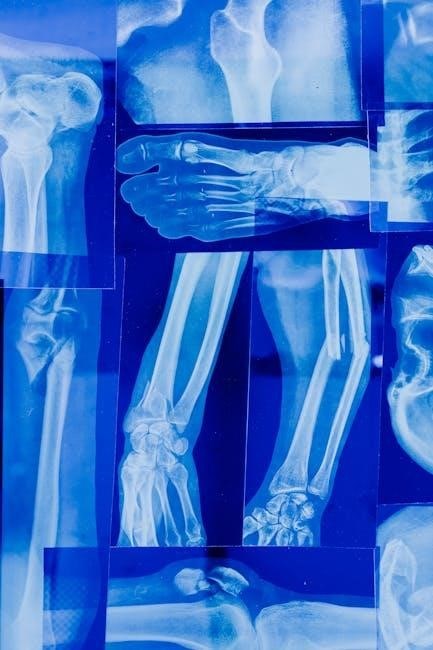
anatomy and physiology 2 final exam questions and answers pdf
Anatomy and Physiology 2 Final Exam: Overview
This final exam comprehensively assesses knowledge of key systems, including nervous, cardiovascular, reproductive, and musculoskeletal structures․
Expect questions on homeostasis, terminology, and regional anatomy․
Review materials like flashcards and study guides, focusing on concepts from the semester, and practice with quizzes for optimal preparation․
Exam Scope and Content
The final examination will rigorously test your understanding of core anatomy and physiology principles covered throughout the semester․
Expect a diverse range of question types, including multiple choice, matching, and potentially short answer, designed to evaluate both factual recall and conceptual application․
Key areas of focus include the nervous system (autonomic divisions), cardiovascular function (myocardium, blood), reproductive anatomy (male and ovary systems), musculoskeletal structures, respiratory physiology, and the integumentary system․
Furthermore, questions will address infection/immunity (conjunctivitis), homeostasis, and medical terminology․
Preparation should encompass all lecture materials, assigned readings, and practice quizzes․
Key Systems Covered
This exam places significant emphasis on several integrated body systems․ The nervous system, particularly the autonomic divisions, will be thoroughly assessed․ Expect questions regarding cardiovascular components like the myocardium and the fundamentals of the blood and lymphatic systems․
Reproductive system anatomy, encompassing both male structures and the ovary, is crucial․ The musculoskeletal system, including vertebral and muscular anatomy, alongside skeletal disorders, will also feature prominently․
Additionally, the respiratory, integumentary, and digestive systems are key areas for review․
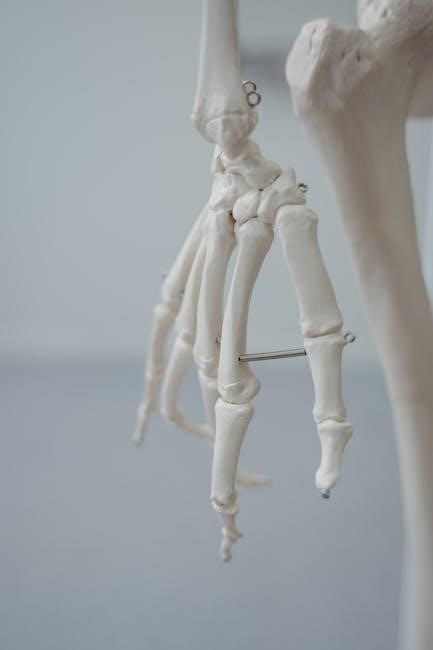
Nervous System
Focus on the autonomic nervous system, understanding sympathetic and parasympathetic functions․ Myelinated neurons and their impact on conduction speed are essential concepts to master․
Autonomic Nervous System (ANS)
The Autonomic Nervous System (ANS) is crucial for regulating involuntary bodily functions․ Understand its two primary divisions: the sympathetic and parasympathetic nervous systems․ Sympathetic responses generally prepare the body for “fight or flight,” increasing heart rate and blood pressure, while parasympathetic responses promote “rest and digest” activities, conserving energy․
Exam questions will likely explore how these systems work antagonistically to maintain homeostasis․ Be prepared to differentiate between their effects on various organs and tissues․ A solid grasp of ANS function is vital for understanding overall physiological regulation and its impact on health and disease․
Myelinated Neurons and Conduction Speed
Myelination significantly impacts neuronal communication․ Neurons covered in a myelin sheath – formed by glial cells – exhibit saltatory conduction․ This process allows action potentials to “jump” between Nodes of Ranvier, dramatically increasing conduction speed․
Unmyelinated neurons conduct impulses more slowly, requiring continuous depolarization along the axon․ Expect exam questions comparing and contrasting these conduction methods․ Understanding the relationship between myelination and speed is essential for comprehending neurological function and the effects of demyelinating diseases․ Faster conduction is critical for rapid responses․
Cardiovascular System
Focus on the heart’s structure, blood flow, and lymphatic system fundamentals․ Key areas include myocardium function, and understanding the circulatory pathways for exam success․
Myocardium: Cardiac Muscle Tissue
The myocardium constitutes the thickest layer of the heart wall, responsible for the powerful contractions that propel blood throughout the body․ Understanding its unique structure – composed of cardiac muscle cells interconnected by intercalated discs – is crucial․ These discs facilitate rapid electrical impulse transmission, enabling coordinated contractions․
Exam questions will likely focus on the differences between cardiac muscle and skeletal muscle, the role of calcium ions in contraction, and the impact of factors like heart rate and blood pressure on myocardial function․ Be prepared to discuss how the myocardium’s contractile properties contribute to overall cardiovascular performance․
Blood and Lymphatic System Fundamentals
A solid grasp of blood composition is essential, including erythrocytes, leukocytes, and platelets, and their respective functions in oxygen transport, immunity, and clotting․ Expect questions on blood types, antigen-antibody interactions, and the physiological consequences of blood disorders․
The lymphatic system’s role in fluid balance and immunity will also be tested․ Understand the structure and function of lymph nodes, lymphatic vessels, and the spleen․ Be prepared to differentiate between innate and adaptive immunity, and explain how the lymphatic system supports both․
Reproductive System
Focus on male and female anatomy, including the ovary’s role in both reproductive and endocrine systems․ Understand gametogenesis and hormonal control of reproductive functions․
Male Reproductive System Anatomy
Detailed knowledge of the male reproductive system is crucial․ This includes understanding the anatomy of the testes, epididymis, vas deferens, seminal vesicles, prostate gland, and bulbourethral glands․ Be prepared to trace the pathway of sperm from production to ejaculation, identifying the function of each structure involved․
Focus on the microscopic anatomy of the testes, specifically the seminiferous tubules where spermatogenesis occurs․ Understand the role of Sertoli cells and Leydig cells in sperm development and testosterone production, respectively․ Review the components of semen and their contributions to fertilization․
Ovary and Associated Systems
A thorough understanding of the ovary’s anatomy and its interplay with other systems is essential․ This includes detailed knowledge of ovarian follicles at various stages of development, the corpus luteum, and the hormonal changes throughout the ovarian cycle․ Be prepared to explain oogenesis, the process of egg formation․
Focus on the ovary’s connection to both the reproductive and endocrine systems․ Understand how ovarian hormones – estrogen and progesterone – influence the uterine cycle and secondary sexual characteristics․ Review the role of the hypothalamus and pituitary gland in regulating ovarian function through FSH and LH․

Musculoskeletal System
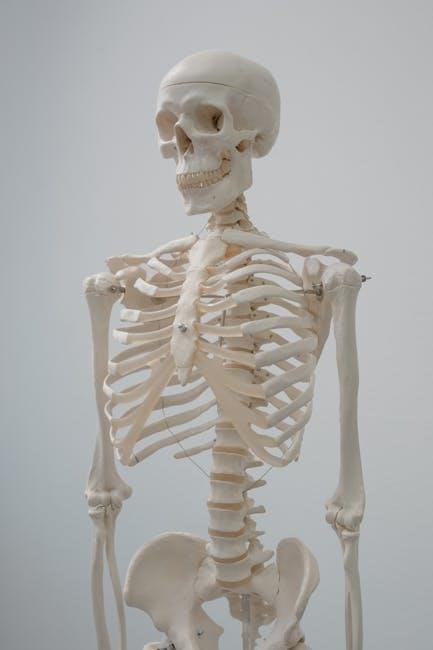
Master vertebral and muscular anatomy, alongside skeletal system disorders․ Expect questions on bone structures, muscle functions, and how they interact for movement and support․
Vertebral and Muscular Anatomy
Focus on detailed knowledge of the vertebral column, including the different regions (cervical, thoracic, lumbar, sacral, coccygeal) and their associated ligaments and muscles․ Understand the anatomy of key muscles involved in movement, such as those of the back, shoulders, and limbs․
Be prepared to identify muscles based on origin, insertion, and action․ Review the relationship between muscles and bones, and how they work together to produce movement․ Pay attention to the anatomical relationships within the back and thorax, as highlighted in study materials for medical students․
Skeletal System and Disorders
A thorough understanding of bone structure and function is crucial, including bone cells, matrix, and the process of bone remodeling․ Focus on the different types of bone tissue – compact and spongy – and their distribution within various bones․
Prepare to identify major bones and their landmarks․ Review common skeletal disorders, understanding their causes, symptoms, and potential treatments․ Specifically, study materials emphasize “Understanding the Skeletal System and Disorders,” so prioritize this area for comprehensive exam preparation․
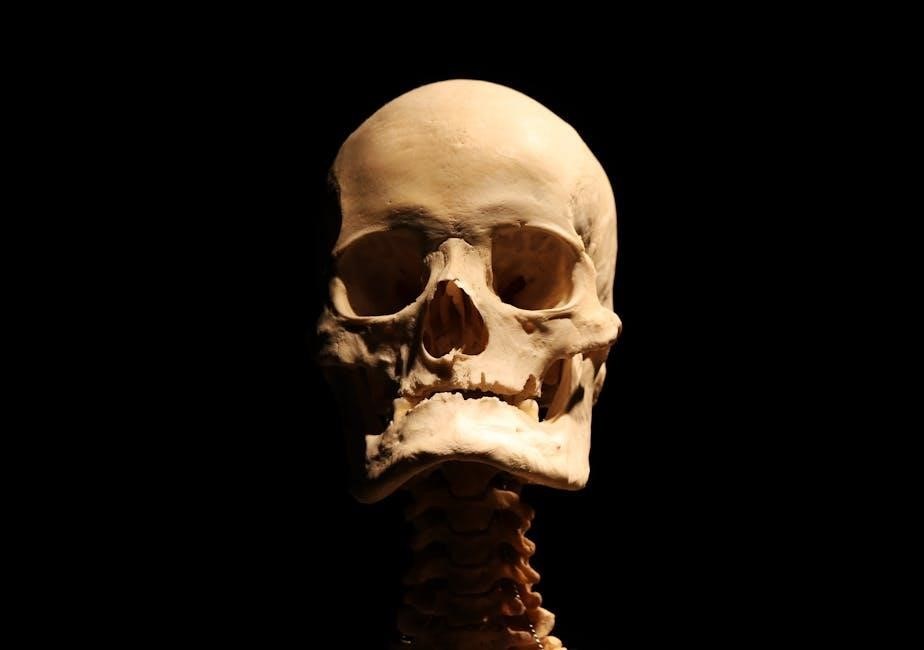
Respiratory System
Master respiratory anatomy and functions, including gas exchange, ventilation, and the roles of key structures like the lungs and diaphragm․
Review “Respiratory System Functions and Anatomy” for a focused study approach․
Respiratory System Anatomy and Functions
Understanding the respiratory system is crucial, encompassing the nasal cavity, pharynx, larynx, trachea, bronchi, and alveoli․ Focus on the pathway of air and gas exchange mechanisms within the lungs․
Key functions include oxygen intake and carbon dioxide removal, vital for cellular respiration․ Study the mechanics of breathing – inspiration and expiration – and the roles of diaphragm and intercostal muscles․
Review “Respiratory System Functions and Anatomy” thoroughly․ Prepare to answer questions about lung volumes, capacities, and the regulation of respiration, ensuring a comprehensive grasp of this essential system․

Integumentary System
The integumentary system, including skin, is the body’s protective outer layer․
Review histology and its functions, like temperature regulation and sensory reception․
Overview of Histology and Integumentary System
Histology is crucial for understanding the integumentary system’s structure and function․ Focus on the epidermis, dermis, and hypodermis layers, recognizing their cellular components and specialized features․
Key areas include keratinocytes, melanocytes, and immune cells within the skin․ Understand how these cells contribute to protection, pigmentation, and immune responses․
The integumentary system’s role as a first line of defense against pathogens and environmental hazards is vital․ Review its connection to homeostasis and sensory perception for exam success․
Digestive System
Focus on the stomach’s anatomy and functions, including gastric secretions, motility, and its role in initial digestion․
Understand enzymatic processes and absorption․
Anatomy and Functions of the Stomach
The stomach is a vital organ responsible for initial food processing, utilizing both mechanical and chemical digestion․
Its anatomy includes regions like the cardia, fundus, body, and pylorus, each contributing to its overall function․
Gastric secretions, containing hydrochloric acid and enzymes like pepsin, break down proteins․
Peristaltic contractions mix food with these secretions, forming chyme․
Absorption of limited substances, such as water and certain drugs, occurs here․
Understanding the stomach’s role in regulating gastric emptying and its interaction with other digestive organs is crucial for exam success․
Infection and Immunity
Immune defenses involve skin & mucous membranes as a first line, alongside specific responses․
Conjunctivitis, or pinkeye, is a common, contagious bacterial infection requiring understanding․
Conjunctivitis (Pinkeye)
Conjunctivitis, commonly known as pinkeye, represents a highly contagious inflammation of the conjunctiva, the transparent membrane covering the white part of the eye and inner eyelid․ This infection can be caused by bacteria, viruses, or allergens, leading to symptoms like redness, itching, discharge, and a gritty sensation․
Understanding the physiological response to infection is crucial; the body’s immune system attempts to combat the causative agent․ Bacterial conjunctivitis often requires antibiotic treatment, while viral forms typically resolve on their own․ Proper hygiene, such as frequent handwashing, is essential to prevent its spread․
Skin and Mucous Membranes as First Line of Defense
The skin and mucous membranes constitute the body’s initial barrier against pathogen invasion, representing the first line of defense in the immune system․ Intact skin provides a physical barrier, preventing entry, while mucous membranes lining body cavities trap microbes․
These surfaces also secrete protective substances like antimicrobial peptides and enzymes․ Mucous membranes, found in the respiratory and digestive tracts, utilize cilia to sweep away debris and pathogens․ This non-specific immunity is vital in preventing infection, highlighting the importance of maintaining healthy skin and mucosal integrity․

Homeostasis and Basic Concepts
Understanding anatomy, physiology, and homeostasis is crucial․ The body maintains a stable internal environment through coordinated systems, essential for survival and optimal function․
Anatomy, Physiology, and Homeostasis
The interconnectedness of anatomy and physiology is fundamental to understanding bodily functions․ Anatomy details the structure, while physiology explores the function of those structures; Homeostasis, the body’s ability to maintain a stable internal environment, relies on this dynamic interplay․
Key concepts include negative and positive feedback loops, crucial for regulating temperature, blood pressure, and other vital parameters․ Disruptions to homeostasis lead to disease․ Mastering these basic principles provides a foundation for comprehending complex physiological processes and is vital for exam success․

Medical Terminology
Understanding common prefixes and suffixes is essential for deciphering anatomical terms․ This skill will be crucial for interpreting questions and demonstrating comprehension on the final exam․
Common Prefixes and Suffixes in Anatomy
Mastering anatomical language relies heavily on recognizing prefixes and suffixes․ For example, “hyper-” signifies excessive, while “hypo-” denotes deficient․ Suffixes like “-itis” indicate inflammation, and “-ology” refers to the study of something․
Familiarity with these building blocks will unlock the meaning of complex terms encountered on the final exam․ Focus on prefixes denoting location (e․g․, anterior, posterior), size (e․g․, macro-, micro-), and direction․ Understanding suffixes related to procedures (e․g․, -ectomy, -ostomy) is also vital for exam success․

Neuroanatomy
Neuroanatomy studies the nervous system’s structure, including the brain, spinal cord, and nerves․ Review sympathetic and parasympathetic functions, and myelinated neuron conduction speeds for the exam․
Neuroanatomy & Physiology Final Exam Study Guide
This study guide focuses on the intricate workings of the nervous system, a critical component of your Anatomy & Physiology 2 final exam․ Prioritize understanding the autonomic nervous system (ANS), specifically the contrasting roles of its sympathetic and parasympathetic divisions․
Master the concept of myelinated neurons and how their structure directly impacts the speed of nerve impulse conduction․ Review neuroanatomy alongside physiology to grasp the functional significance of each structure․ Utilize flashcards and practice quizzes to reinforce your knowledge of neural pathways and signaling mechanisms․
Remember to connect neuroanatomy to broader physiological processes, ensuring a holistic understanding for exam success․
Regional Anatomy
Focus on anatomical relationships within specific body regions, like the back, thorax, patellar, and popliteal areas․ Understand vertebral, muscular, and cardiovascular connections for exam success․
Back and Thorax: Vertebral, Muscular, and Cardiovascular Anatomy
This region demands a detailed understanding of interconnected structures․ Master the vertebral column’s anatomy, including curves and intervertebral discs, and associated muscular attachments crucial for movement and support․ Focus on key muscles like the trapezius, latissimus dorsi, and erector spinae groups․
Crucially, integrate cardiovascular knowledge – tracing the aorta, vena cava, and pulmonary vessels through the thorax․ Understand the heart’s position and relationship to the mediastinum․ Expect questions linking structural abnormalities to functional deficits within this complex anatomical area․
Patellar and Popliteal Regions: Anatomical Relationships
Understanding the spatial relationship between these regions is vital․ The patellar region, encompassing the kneecap, is definitively anterior to the popliteal region, located at the back of the knee․ Focus on identifying key structures within each area – the patella itself, quadriceps tendon, and the popliteal fossa containing vessels and nerves․
Expect questions testing your ability to describe the anatomical landmarks and their clinical relevance․ Consider how injuries to one region might impact the function of the other, demonstrating a holistic understanding of lower limb anatomy․