
old murray lawn mower manual pdf free download
Discover how to locate, download, and use free PDF manuals for vintage Murray lawn mowers․ This guide covers reliable sources, safe download practices, and quick navigation tips to keep your mower running smoothly․ No cost, no hassle—just straightforward access to essential instructions․
Download now

Overview of Murray Lawn Mowers
Murray mowers, known for durability․ span decades of evolution․ From early push models to mid‑century power units, each design reflects changing lawn care needs․ Understanding their lineage helps locate the correct manual for maintenance and repair․ It endures!!!
2․1 History and Evolution
From the 1920s, Murray began crafting hand‑pushed mowers that combined simplicity with robust construction․ Early models featured wooden decks and iron blades, appealing to rural homeowners seeking reliable grass cutting without electricity․
The 1950s introduced its first gasoline‑powered units, offering greater speed and reduced labor․ These engines were small, four‑stroke, and easy to maintain, making them popular among small farms and suburban lawns․
The 1960s brought ergonomic designs with adjustable handles and lightweight frames․ Users could maneuver larger lawns more easily, and interchangeable blades allowed cutting styles for different grass types․
In the 1970s and 1980s, Murray added mid‑size and heavy‑duty mowers with larger engines and reinforced decks․ Self‑propelled options appeared in the late 1980s, easing labor and expanding market reach․
Throughout the 1990s, Murray focused on fuel efficiency and emissions compliance․ Cleaner, higher‑compression engines and better fuel injection systems made troubleshooting easier, maintenance reliable․ This focus also led to cleaner fuels and advanced diagnostics tools for performance!․
By the early 2000s, Murray diversified into electric mowers, reflecting growing environmental concerns and the rise of battery technology․ These models retained the classic Murray aesthetic, a silent operation and zero emissions, while offering silent operation and zero emissions․
2․2 Common Models and Their Features
Classic Murray mowers span several decades, each iteration adding practical features for homeowners․ The 1920s “Hand‑Pushed Model” sports a wooden deck, iron blade, and a simple lever‑controlled lift․ It is lightweight, easy to store, and ideal for small lawns where manual effort is acceptable․
The 1950s “Gasoline‑Powered Model” introduced a 4‑stroke engine, 1․5‑hp output, and a 48‑inch cutting width․ Its chrome‑finished chassis and rubber‑topped wheels provide durability and smooth operation on uneven terrain․ The 1960s “Ergonomic Model” added an adjustable handle, a lightweight aluminum frame, and a blade‑replacement system that saves time and reduces wear․
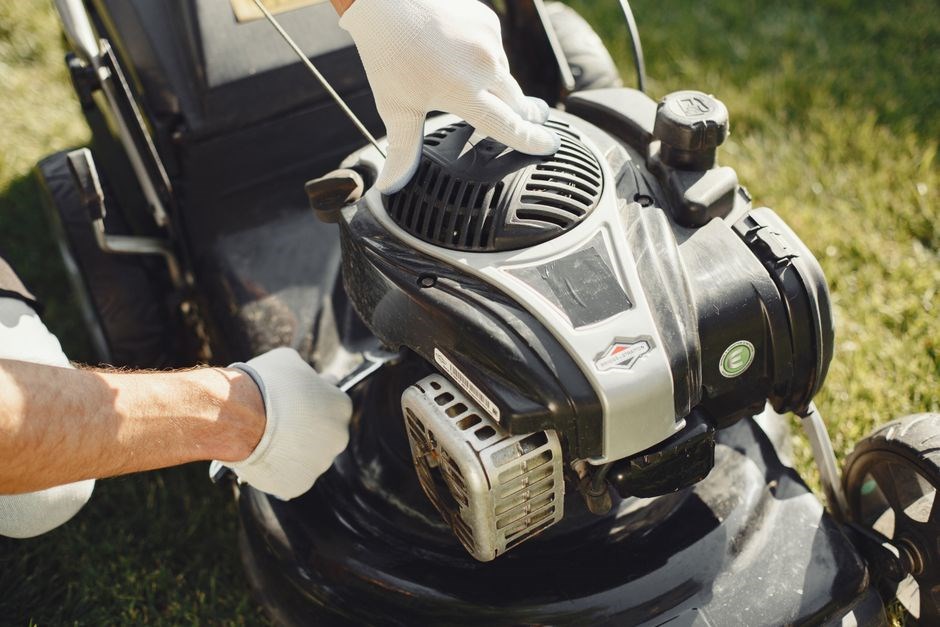
In the 1970s, the “Heavy‑Duty Model” offered a 2‑hp engine, a 60‑inch deck, and a reinforced steel frame․ It was designed for larger properties, featuring a self‑propelled drive that reduces operator fatigue․ The 1980s “Mid‑Size Model” combined a 1․5‑hp engine with a 48‑inch deck, a rubber‑topped wheel set, and a simple on/off switch for safety․
Electric models emerged in the early 2000s, featuring a 12‑V battery, 40‑inch cutting width, and a silent operation․ They include a lightweight aluminum frame, a quick‑release blade, and a rechargeable battery pack that offers up to 30 minutes of runtime on a single charge․
Across these generations, key themes emerge: durable construction and power options․ Whether battery‑driven, each model prioritizes reliability and ease of maintenance․ All share!!!

Why Manual Access Matters for Old Mowers
Access to a manual is essential for owners of vintage Murray mowers because it preserves the knowledge that would otherwise be lost․ These machines were built with different materials, engines, and safety mechanisms than modern equipment, so a clear guide helps prevent misinterpretation of parts and procedures․ A manual provides step‑by‑step instructions for routine maintenance, such as oil changes, blade sharpening, and spark plug replacement, ensuring that each component remains in optimal condition․ Without a reliable source, users risk over‑tightening bolts, using incorrect lubricants, or neglecting critical safety checks, which can lead to costly repairs or dangerous failures․ Additionally, manuals often contain troubleshooting tables that identify symptoms and recommend corrective actions, allowing owners to resolve issues quickly and avoid prolonged downtime․ They also detail the proper storage and seasonal care needed to keep the mower’s mechanical systems in good shape, extending its lifespan․ For collectors and hobbyists, the manual serves as a historical document, offering insight into the engineering practices of the era and the evolution of lawn‑mowing technology․ In short, having a PDF manual at hand empowers users to maintain, repair, and appreciate their Murray mowers with confidence and safety․
Lorem ipsum dolor sit amet, consectetur adipiscing elit․ d eiusmod tempor incididunt ut labore et dolore magna aliqua․ Ut enim ad minim veniam, quis nostrud exercitation․ More text here․ Extra data․!!!

Finding PDF Manuals Online
Search reputable sites, official archives, and enthusiast forums․ Use precise model numbers and year filters․ Verify file integrity with checksums․ Bookmark trusted repositories for quick future access․ Always download via secure connections to protect your device․
4․1 Official Manufacturer Resources
For owners of vintage Murray mowers, the manufacturer’s support portal is the most reliable source for free PDF manuals․ Murray has digitised its legacy catalog and made it available through a searchable “Product Library․” Users enter the exact model code—such as “Murray 3‑Cyl 1948” or “Murray 4‑Stroke 1955”—and the portal presents quickly a ZIP file containing the PDF and maintenance diagrams․ If a model is missing from the public database, the “Legacy Request” form lets you submit a serial number or photo; the support team will email the correct manual or provide a scanned copy․ The portal also hosts a FAQ section and downloadable maintenance diagrams for quick reference․ By using the official channel, you ensure the file is authentic, up‑to‑date, and free from malware․

In addition to the official portal, several reputable archival sites preserve Murray manuals․ Sites such as ClassicMowerArchive․com and VintageLawnTools․org host mirror copies that are cross‑referenced with the manufacturer’s catalog numbers․ To locate a manual, enter the model code into the search bar, filter by “PDF,” and review the file size and last updated date to confirm its currency․ When downloading from a mirror, always run a virus scan before opening, as some sites bundle executables․ If a link is broken, the community forum often provides a fix or an alternative source posted by another user․ Finally, store a local backup of the PDF in cloud storage like Google Drive or Dropbox․ This ensures you always have access, even if the original site changes its URL or removes the file․
This makes it easier to reference the manual while working on the mower without having to flip through a laptop․ By staying engaged with the community, you can keep your mower in top shape and avoid costly repairs․ These resources empower owners troubleshoot maintain owers confidntly․ Community forums often feature step‑by‑step guides that walk users through the intricacies of restoring a vintage Murray mower․ Members share high‑resolution images of worn parts, such as the crankshaft bearings or the carburetor jets, and provide detailed measurements that help in sourcing replacements․ Many users also post video clips that demonstrate how to disassemble the mower’s engine, how to clean the air filter, and how to re‑tune the carburetor for optimal performance․ These visual aids complement the PDF manual by offering a hands‑on perspective that is especially useful for beginners who may find the technical language of the manual intimidating․ In addition to troubleshooting, community members frequently discuss maintenance schedules, recommending how often to change the oil, replace the spark plugs, and inspect the blade for wear․ Some members have even compiled their own checklists that align with the manual’s sections, allowing users to tick off tasks as they complete them․ By following these community‑derived checklists, owners can ensure that they are not overlooking critical steps that could extend the mower’s lifespan․ Furthermore, the community often collaborates on restoration projects, where several users pool resources to acquire rare parts that are no longer produced by the manufacturer․ These collaborative efforts not only reduce costs but also foster a sense of camaraderie among enthusiasts․ Finally, many forums host a dedicated “Ask an Expert” thread where seasoned mechanics answer specific questions about engine rebuilds, transmission repairs, or electrical issues․ By leveraging these collective insights, users can tackle complex repairs with confidence, knowing that they have a network of experienced individuals to consult․ The community’s enthusiasm also extends to sharing restoration stories, where members document the before and after of their mowers, inspiring others to undertake similar projects․ Such shared experiences reinforce the importance of meticulous maintenance and the joy of preserving a piece of mechanical heritage․

Step‑by‑Step Download Guide
Follow these simple steps: 1️⃣ Open your browser and go to the official Murray site․ 2️⃣ Search “manual PDF” in the support section․ 3️⃣ Click the download link, accept the terms, and save the file․ 4️⃣ Verify the PDF opens correctly before printing or sharing․ Keep safe!!!!!
5․1 Direct Browser Download
To initiate a direct browser download of an old Murray lawn mower manual, begin by navigating to the official Murray website or a reputable archival portal․ Once on the site, locate the “Support” or “Documentation” section, often found in the main menu or footer links․ Use the search bar to enter your mower’s model number, year, or specific manual title․ The search results should display a list of available PDFs․ Click the appropriate link, which typically opens a preview window․ Verify the file name and size to ensure it matches your mower’s specifications․ If the preview appears, right‑click the PDF icon and select “Save as” or “Download” to store the file locally․ Some sites may prompt you to confirm the download; accept the prompt and choose a destination folder on your computer․ After the download completes, open the PDF with a reliable reader such as Adobe Acrobat Reader, Foxit Reader, or your browser’s built‑in viewer․ Use the zoom and page navigation tools to locate the table of contents, safety warnings, and maintenance instructions․ If you encounter a corrupted file, try downloading again or use a different browser․ For added security, scan the PDF with an antivirus program before opening․ Once verified, you can print the manual or bookmark the PDF for future reference․ Remember to keep a backup copy on a USB drive or cloud storage to avoid losing the manual if your computer fails․ Finally, save the PDF in a folder named “Murray Manuals” and set a yearly reminder to review the maintenance schedule, keeping your mower shape!!
5․2 Using Trusted File‑Sharing Platforms

When official sites are unavailable, trusted file‑sharing platforms can be a viable alternative for obtaining an old Murray lawn mower manual in PDF format․ Begin by selecting a reputable service such as Scribd, SlideShare, or a specialized forum that hosts user‑generated documents․ Search using precise keywords: “Murray mower manual 1978 PDF” or “Murray 1985 lawn mower guide․” Once a relevant document appears, verify its authenticity by checking the uploader’s profile, download count, and any user comments․ A high download volume and positive feedback often indicate a reliable source․ Next, click the download button; most platforms require a free account, so create one if necessary․ After authentication, the PDF will either download directly or prompt you to confirm the download․ Use a trusted antivirus scanner on the file before opening to mitigate malware risks․ Once opened, use the PDF viewer’s search function to locate specific sections such as “Engine Maintenance” or “Blade Replacement․” Bookmark the PDF or save it to a cloud storage service for easy access on multiple devices․ Finally, respect copyright laws: share the file only with individuals who own the same mower model and avoid distributing it publicly․ By following these steps, you can safely retrieve and utilize the manual without compromising your computer’s security or violating intellectual property rights․ The process is straightforward and does not require advanced technical skills, making it accessible to most users․ Enjoy the convenience․!!

Using the Manual Effectively
Read the manual’s table of contents first to locate key sections․ Use the PDF’s search bar for terms like “oil change” or “blade alignment․” Bookmark pages for quick reference․ Keep a printed copy of critical steps for on‑site use, and note any model‑specific warnings․ Check troubleshooting for faults․
6․1 PDF Readers and Navigation Tips
When working with an old Murray lawn mower manual, choosing the right PDF reader can dramatically improve your experience․ Lightweight, cross‑platform options such as Adobe Acrobat Reader DC, Foxit Reader, or SumatraPDF offer fast loading times and robust search functions․ For mobile users, apps like Adobe Acrobat Mobile or PDF Viewer Pro provide touch‑friendly navigation and annotation tools․ Once you have a reader installed, follow these navigation tips to get the most out of your manual: Use the Table of Contents to jump to specific sections quickly․ Search for keywords like “oil change,” “blade replacement,” or “fuel filter” using Ctrl+F (or Cmd+F on Mac)․ Bookmark frequently referenced pages for easy access․ Adjust zoom levels for clear reading of fine print․ Highlight critical steps, add sticky notes, or underline warnings․ Export pages to JPEG or PNG if you need a quick reference sheet․ Learn keyboard shortcuts such as Page Up/Down, Ctrl+Plus/Minus for zoom, and Alt+F4 to close․ Sync bookmarks across desktop and mobile devices to keep your notes consistent․ By mastering these tools, you’ll be able to locate maintenance instructions, safety warnings, and troubleshooting tips efficiently, keeping your Murray mower in top working condition without the hassle of hunting through paper pages․
Tip: Keep a printed copy of the most critical pages for quick reference during maintenance․ This ensures you can work efficiently even when offline․
Bookmark quick jumps!

6․2 Mobile Viewing Options
For technicians on the go, mobile viewing of the Murray mower manual is essential․ Download a reliable PDF app from the App Store or Google Play—Adobe Acrobat Reader, Foxit MobilePDF, or Xodo are top choices․ Once installed, open the file and enable “Reading Mode” to remove toolbars and focus on content․ Use pinch‑to‑zoom for fine details and swipe gestures to navigate pages․ The “Bookmarks” feature lets you save key sections like blade maintenance or fuel filter replacement for instant access during a job․ If your device supports split‑screen, open the manual alongside a video tutorial for visual guidance․ Many apps allow annotation: highlight text, add comments, or draw arrows directly on the page—useful for marking parts that need attention․ Sync your annotations to the cloud so you can retrieve them on another device․ For low‑bandwidth areas, save the PDF to local storage; most apps will still function offline․ Finally, consider converting the PDF to a more mobile‑friendly format such as EPUB if your reader struggles with large files—this reduces memory usage and improves scrolling speed․
Additionally, many mobile PDF apps offer a “dark mode” that reduces eye strain during night maintenance sessions․ Some readers support cloud sync, allowing you to access the same annotated manual on a tablet or laptop․ If your device has limited RAM, consider using a lightweight viewer like PDF․js embedded in a browser, which loads only the visible pages․ Keep manual updated checking the website!! Now!