
6 month half marathon training plan pdf
6-Month Half Marathon Training Plan: A Comprehensive Guide
Achieve your half marathon goals with this comprehensive 6-month plan, designed for all levels! It incorporates progressive overload, rest, and vital race advice․
What is a Half Marathon?
A half marathon represents a fantastic challenge for runners of every experience level, bridging the gap between shorter races and the full 26․2-mile marathon distance․ Specifically, a half marathon is a 13․1-mile (or 21․1-kilometer) running event – precisely half the length of a full marathon․
Its popularity stems from being an achievable goal for many, requiring dedication and training but remaining less daunting than a full marathon․ This makes it an excellent stepping stone for those aspiring to eventually tackle the full distance․ A well-structured 6-month training plan is ideal for beginners, focusing on building endurance, speed, and crucial recovery skills to successfully complete the race․
Why Choose a 6-Month Training Plan?
Opting for a 6-month half marathon training plan provides a significant advantage, particularly for beginner runners transitioning from walking or minimal running․ This extended timeframe allows for a gradual and sustainable progression, minimizing the risk of injury and burnout․ It’s ideal for building a solid foundation of endurance, speed, and essential recovery techniques․
A longer plan accommodates life’s inevitable disruptions, offering flexibility to adjust training without derailing progress․ It’s also beneficial for returning runners or those seeking a minimalist approach, allowing ample time to rebuild fitness․ Ultimately, a 6-month plan fosters confidence and prepares you to confidently cross the finish line!
Assessing Your Current Fitness Level
Before embarking on a 6-month half marathon journey, honestly evaluate your current fitness․ This crucial step dictates the plan’s starting point and prevents overtraining․ Consider your recent physical activity – have you been consistently running, or are you starting from a more sedentary lifestyle?
Categorize yourself as a beginner (couch to half marathon), intermediate (some running experience), or experienced (aiming to improve time)․ Beginners need a focus on building endurance, while intermediates can incorporate speed work sooner․ Experienced runners can prioritize tempo runs and race pace training․ Accurate self-assessment ensures a safe and effective training experience tailored to your needs․
Beginner Runners (Couch to Half Marathon)
If you’re new to running, a 6-month plan is ideal! This timeframe allows a gradual transition from walking to consistently running 13․1 miles․ Focus initially on building a base – start with walk/run intervals, progressively increasing running duration and decreasing walking breaks․ Prioritize consistency over speed; aim for 3-4 runs per week․
Expect to go from completely new to confidently finishing․ Don’t worry about pace initially; focus on completing the distance․ Incorporate rest days and listen to your body․ A minimalist approach, emphasizing gradual progression, is key to avoiding injury and building a sustainable running habit․ You can go from couch to half marathon in 4-6 months!
Intermediate Runners (Some Running Experience)
For runners with existing experience, a 6-month plan focuses on increasing mileage and introducing speed work․ You likely already have a base level of fitness, allowing for a quicker progression․ Expect to run 4-5 times per week, incorporating long runs, tempo runs, and interval training․
This plan should build upon your current capabilities, aiming to improve your race time․ Pay attention to progressive overload – gradually increasing mileage and intensity․ Continue prioritizing rest and recovery to prevent injury․ Consider incorporating strength training to enhance performance and address any weaknesses․ A 6-month schedule provides ample time to refine your technique and build confidence․
Experienced Runners (Looking to Improve Time)
If you’re an experienced runner, a 6-month plan should prioritize refining your speed and endurance․ Expect a higher volume of weekly mileage, including challenging long runs and focused speed workouts like interval and tempo runs․ This plan demands consistent effort and a keen awareness of your body’s signals․
Focus on race pace work to dial in your target speed․ Strength training becomes crucial for injury prevention and power development․ Analyze your previous race data to identify areas for improvement․ Don’t neglect recovery – adequate rest is vital for maximizing gains․ This plan is about pushing boundaries and achieving a personal best!

The 6-Month Training Schedule Breakdown
This plan is structured in three phases: base building, increasing mileage, and peak training․ Each phase progressively challenges your body, preparing you for race day!
Phase 1: Base Building (Months 1-2)
Focus: Building Endurance
The initial phase centers on establishing a solid foundation of endurance․ For beginner runners, this means gradually transitioning from walking to running, prioritizing consistency over speed․ Expect a focus on shorter, more frequent runs to build mileage safely․ Intermediate runners will increase their weekly mileage incrementally, incorporating easy-paced runs․ Experienced runners should maintain their base while adding slight increases in volume․
Weekly Mileage Progression
Beginners might start with run-walk intervals, slowly increasing running portions․ Intermediate runners could aim for a 10% weekly mileage increase․ Experienced runners can focus on maintaining current mileage with a few longer runs introduced․ The goal is to comfortably increase time on your feet, preparing your body for the more intense phases ahead․
Focus: Building Endurance
This initial stage prioritizes developing your aerobic base – the foundation for all subsequent training․ It’s about consistently logging miles at a comfortable, conversational pace․ Don’t worry about speed; focus on time on your feet․ For those new to running, this means incorporating walk/run intervals, gradually increasing the running segments․
Building endurance isn’t just about physical adaptation; it’s also about mental fortitude․ Consistent, easy runs build confidence and prepare your body for the challenges ahead; Prioritize completing the scheduled mileage over hitting specific paces․ This phase is crucial for injury prevention, strengthening muscles and tendons gradually․
Weekly Mileage Progression
During months one and two, increase your weekly mileage gradually, adhering to the 10% rule – never increase your total weekly distance by more than 10%․ Begin with a manageable base, perhaps 3-4 runs per week, and slowly add mileage to your long run․ A sample progression might start at 10-15 miles total weekly, building to 20-25 miles by the end of phase one․
Include rest days! These are as important as the runs themselves․ Listen to your body and don’t hesitate to take an extra rest day if needed․ Vary your routes and surfaces to minimize impact․ Remember, consistency is key; small, incremental increases are far more effective than pushing too hard, too soon․
Phase 2: Increasing Mileage (Months 3-4)
Months three and four focus on building upon your base endurance with a continued, but more deliberate, increase in weekly mileage․ This phase introduces the concept of speed work, incorporating shorter, faster runs once or twice a week․ These aren’t all-out sprints, but comfortably hard efforts designed to improve your running economy․
Your long run will also progressively increase, aiming to reach 8-10 miles by the end of month four․ Continue to adhere to the 10% rule, and prioritize recovery․ Don’t be afraid to adjust the plan based on how your body feels․ Proper fueling and hydration become even more critical during this phase of increased intensity․
Speed work is crucial for improving your running efficiency and pace․ During months three and four, introduce interval training – alternating between high-intensity bursts and recovery periods․ Start with shorter intervals, like 400-meter repeats with equal recovery jogs․ Gradually increase the interval length or decrease recovery time․
Another effective method is tempo runs: sustained efforts at a comfortably hard pace for 20-30 minutes․ These build lactate threshold, delaying fatigue․ Remember to warm up thoroughly before each speed session and cool down afterward․ Listen to your body and don’t push through pain; proper form is paramount․

Long Run Progression
The long run is the cornerstone of half marathon training, building endurance and preparing your body for the distance․ Months three and four focus on gradually increasing this run’s length․ Begin by adding a mile or two each week, ensuring adequate recovery afterward․ Aim to reach a peak long run of around 10-12 miles before tapering․
Pace yourself during long runs; they should be conversational․ Practice your race day nutrition and hydration strategies during these runs․ Don’t be afraid to incorporate walk breaks if needed, especially as the distance increases․ Consistent, progressive long runs are key to successfully completing your half marathon․
Phase 3: Peak Training (Months 5)
Month five represents peak training intensity, demanding consistent effort and focused workouts․ This phase incorporates both tempo runs and interval training to enhance speed and endurance․ Tempo runs involve sustained effort at a comfortably hard pace, improving your lactate threshold․ Interval training alternates between high-intensity bursts and recovery periods, boosting cardiovascular fitness․
Crucially, dedicate time to race pace work, practicing running at your goal half marathon speed․ This builds confidence and familiarizes your body with the required effort․ Remember to prioritize recovery during this demanding phase, as overtraining can lead to injury․ Listen to your body and adjust the plan as needed․
Tempo Runs and Interval Training
Tempo runs are sustained efforts at a “comfortably hard” pace, typically 20-40 minutes, improving your lactate threshold – the point where your body starts accumulating lactic acid․ This enhances endurance and speed․ Interval training involves alternating high-intensity bursts with recovery periods․ For example, 400m repeats at a fast pace followed by a jog recovery․
These workouts aren’t about all-out sprinting; they’re about controlled discomfort․ Gradually increase the duration of tempo runs and the number of intervals․ Proper warm-up and cool-down are essential․ Interval training boosts cardiovascular fitness and running economy, while tempo runs build stamina․ Incorporate these 1-2 times weekly for optimal results․
Race Pace Work

Race pace work is crucial for familiarizing your body with the speed you intend to maintain during the half marathon․ These sessions involve running sustained distances at your goal pace․ Start with shorter intervals, like 2-3 miles at race pace, with recovery jogs in between․ Gradually increase the distance of these runs as you progress through the training plan․
This type of training helps build confidence and teaches your body to efficiently utilize energy at the desired speed․ It also allows you to refine your pacing strategy․ Incorporate race pace work once a week, typically during your long run, to simulate race conditions and prepare mentally․

Key Components of the Training Plan
Success relies on warm-ups, strength training, nutrition, recovery, and injury prevention․ These elements are vital for building endurance and achieving your goals․
Warm-up and Cool-down Routines

Prioritize dynamic stretching before each run to prepare muscles for activity․ Include leg swings, arm circles, and torso twists․ A proper warm-up increases blood flow and reduces injury risk․ Following your run, dedicate time to cool-down stretches, holding each stretch for 30 seconds․
Focus on major muscle groups like hamstrings, quads, and calves․ Cooling down aids in muscle recovery and reduces soreness․ Incorporate foam rolling to release tension and improve flexibility․ Remember, consistent warm-up and cool-down routines are crucial components of a successful and injury-free training plan, enhancing performance and overall well-being throughout your 6-month journey․

Strength Training for Runners
Incorporate strength training 2-3 times weekly to build supporting muscles․ Focus on exercises that strengthen your core, glutes, and legs․ Squats, lunges, and planks are excellent choices for building foundational strength․ Include calf raises to improve ankle stability and prevent injuries․
Consider adding exercises like deadlifts and hamstring curls, performed with proper form, to enhance power and endurance․ Strength training improves running economy and reduces the risk of overuse injuries․ Don’t neglect upper body strength; incorporate push-ups and rows for balanced muscle development․ Remember to progressively increase weight or resistance as you get stronger throughout your 6-month plan․
Nutrition and Hydration
Fueling your body correctly is crucial during a 6-month training plan․ Prioritize a balanced diet rich in carbohydrates for energy, lean protein for muscle repair, and healthy fats for overall health․ Increase your carbohydrate intake during peak mileage weeks․
Hydration is equally important; drink water consistently throughout the day, not just during runs․ Consider electrolyte drinks for longer runs to replace lost sodium and potassium․ Experiment with fueling strategies during training runs – gels, chews, or real food – to find what works best for you on race day․ Avoid drastic dietary changes close to the race․
Rest and Recovery
Adequate rest and recovery are non-negotiable components of a successful 6-month half marathon plan․ Schedule rest days into your weekly routine to allow your body to repair and rebuild․ Prioritize sleep – aim for 7-9 hours per night – as this is when most recovery occurs․
Active recovery, such as light walking or stretching, can also aid in muscle recovery․ Listen to your body and don’t push through pain․ Incorporate foam rolling and massage to address muscle soreness and tightness․ Ignoring recovery can lead to injury and hinder your progress, so make it a priority!
Injury Prevention
Proactive injury prevention is crucial during your 6-month half marathon training․ Incorporate a dynamic warm-up before each run, focusing on movements that prepare your muscles for activity․ Strength training, particularly exercises targeting core and lower body, builds supporting muscles and improves form․
Pay attention to proper running form to minimize stress on joints․ Gradually increase mileage – avoid sudden jumps in distance or intensity․ Listen to your body and address any niggles or discomfort immediately․ Consider consulting a physical therapist for personalized advice and injury risk assessment․

Popular Training Plan Resources
Explore plans from renowned running coaches like Hal Higdon and Jeff Galloway, known for his Run-Walk-Run method, for excellent race preparation guidance․
Hal Higdon Training Plans
Hal Higdon offers a variety of well-respected half marathon training plans, catering to different experience levels and time goals․ His plans are known for their structured approach and clear weekly schedules, making them accessible for many runners․
You can find plans ranging from Novice 1 (for those new to running) to Advanced 1 (for experienced runners aiming for a specific time)․
Higdon’s plans typically incorporate long runs, easy runs, speed work, and rest days, progressively increasing mileage over the 6-month period․
His website provides detailed descriptions of each plan, allowing you to choose the one that best suits your current fitness level and aspirations․ They are a fantastic resource for building a solid foundation and achieving success․
Jeff Galloway’s Run-Walk-Run Method
Jeff Galloway’s Run-Walk-Run method is a popular alternative to traditional continuous running, particularly beneficial for beginners or those prone to injury․ This approach involves alternating between running and walking intervals, reducing stress on the body and allowing for quicker recovery․
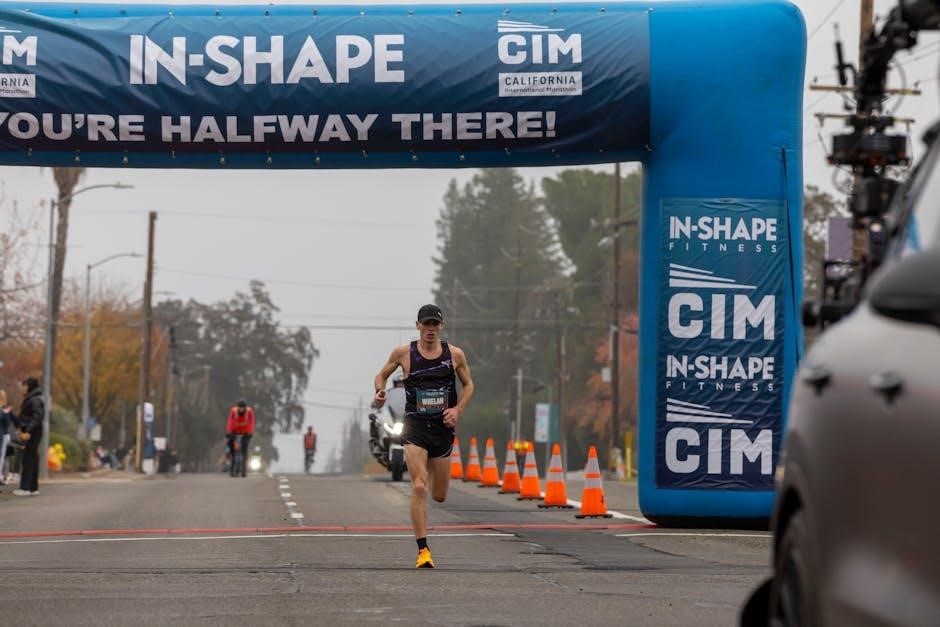
Galloway provides several half marathon training plans based on this method, designed to gradually build endurance and speed․
His plans emphasize finishing strong and enjoying the process, rather than solely focusing on time․
You can find detailed schedules and guidance on his website, tailored to different fitness levels․ The Run-Walk-Run method is a great option for those wanting a more manageable and less intimidating path to completing a half marathon․

Race Day Preparation
Proper preparation is key for success! Focus on tapering your mileage, creating a race day checklist, and ensuring adequate nutrition and hydration beforehand․
Tapering Schedule
Tapering is crucial in the final weeks before your half marathon․ It allows your body to recover from months of training and store energy for race day․ A typical taper begins 2-3 weeks out, gradually reducing mileage․
During week one of the taper, decrease your total weekly mileage by about 20-30%․ Continue to include some short, easy runs and one long run, but shorten it significantly․ In the final week, reduce mileage by 50-60%, focusing on very short, easy runs․
Avoid any intense workouts or speed work during the taper․ Prioritize sleep, nutrition, and hydration․ Resist the urge to do “just one more” long run – trust the training you’ve already completed! This period is about rest and readiness, not building fitness․
Race Day Checklist
Preparation is key for a smooth race day experience! Start with your running gear: shoes (broken-in!), socks, shorts/tights, and a comfortable shirt․ Don’t try anything new on race day․
Essentials include your race bib, timing chip (if applicable), and any necessary identification․ Pack energy gels or chews, and a hydration source (water bottle or hydration pack)․ Consider anti-chafing balm, sunscreen, and a hat or visor․
Don’t forget a post-race change of clothes, a small towel, and a phone for communication․ Review the race course map and logistics beforehand․ Finally, a positive attitude and a belief in your training are the most important items on your checklist!